

Commercial Griddles: Types, Sizes and How to Choose

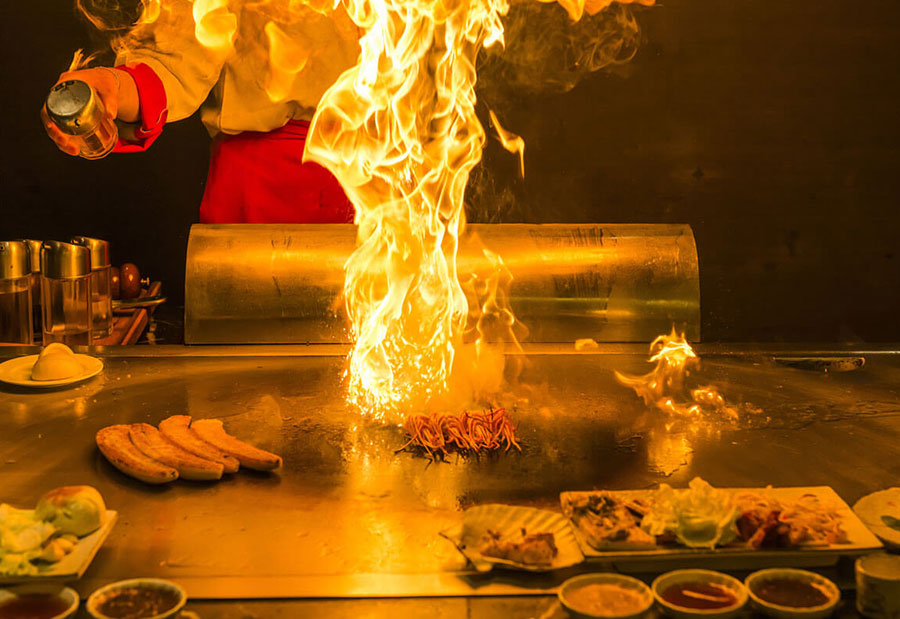
Pancakes, smash burgers, hash browns, grilled sandwiches and breakfast eggs all land on the same piece of equipment: the commercial griddle. A commercial griddle is a flat, heated cooking surface that gives you a large area of even heat for cooking food in contact with the plate. If you run a diner, a burger place, a cafe or a breakfast spot, it is usually the busiest piece on the line, which makes the buying decision worth getting right.
This guide explains the main types of restaurant griddles, the features that affect performance, how to size one for your menu and what to plan for in a BC kitchen. When you are ready to compare models, browse our commercial griddles by type.
What is a commercial griddle used for?
The flat plate lets you cook many items at once and move them around easily. That makes a griddle useful for a surprising range of menu items:
- Breakfast: pancakes, French toast, eggs, bacon, sausages and potatoes.
- Burgers and patty melts, including thin smashed patties that need a hot, flat surface.
- Grilled sandwiches, quesadillas and flatbreads.
- Vegetables, onions and peppers for fajitas and stir-fries.
- Reheating and browning frozen foods.
Because the plate stays hot across its whole surface, cooks can create zones: a hot area for searing, a cooler area for holding and a warm edge for toasting buns.
Types of restaurant griddles
Countertop griddles
A countertop griddle sits on a table or equipment stand and suits operations with limited space, such as food trucks, cafes and small kitchens. It is the easiest way to add a flat-top cooking surface without redoing your line. Pair it with a sturdy stainless work table or stand that can handle the weight and heat.
Drop-in griddles
Drop-in griddles are built into a counter and make sense when you are designing a custom cooking line. They free up usable counter space around the unit and give the line a clean look, but they require planning for utilities and ventilation before the counter is built.
Griddles on a range or chef base
Many kitchens put a griddle on a refrigerated chef base, or choose a range with a griddle section. This layout keeps ingredients within arm’s reach. Ranges that combine open burners and a griddle plate, such as the Atosa AGR-4B12GL gas range with a 12-inch griddle, suit kitchens that need burners and a flat top in one footprint. See our commercial ranges for more combinations.
Gas vs electric griddles
The fuel decides your installation, running costs and cooking feel.
| Gas griddle | Electric griddle | |
|---|---|---|
| Heat-up | Fast and powerful, strong recovery | Steady and even, may recover more slowly on a heavy load |
| Installation | Gas line, licensed gas fitter, ventilation | Electrical supply of the right voltage and amperage; ventilation per your plans |
| Best for | High-volume cooking with long hours | Smaller kitchens, light to moderate volume, locations without gas |
| Browse | Manual gas and thermostatic gas | Electric griddles |
Always check the electrical requirements in the spec sheet before you order. Voltage, phase and amperage vary by model, and your electrician can confirm what your panel supports.
Manual vs thermostatic controls
A manual gas griddle gives you a knob for each burner and no temperature feedback. Experienced cooks like the control, but it takes practice to hold a steady temperature. A thermostatic griddle has a thermostat that maintains the temperature you set, which makes results more consistent and easier to train, especially in a kitchen with turnover. If your staff changes often, thermostatic controls pay for themselves in consistency.
Examples include the Atosa ATG-3624-C 36-inch thermostatic chrome-plated gas griddle, a three-burner model with a chrome-plated surface, and the smaller 24-inch Atosa ATG-2424-C. Check each model’s specification page for details.
Plate material and thickness
The plate affects heat retention, recovery, cleaning and cost.
- Thickness. Thicker plates hold heat longer and recover better when cold food hits the surface. Thinner plates heat up quickly but can lose temperature on a heavy load. Match thickness to your volume.
- Steel plates. The traditional choice. They build a seasoned surface over time, and many cooks prefer the sear they give.
- Chrome-plated plates. A polished chrome surface resists sticking and cleans easily, and it keeps heat evenly across the plate. It also takes a gentler touch to protect the coating, so follow the manufacturer’s guidance on scrapers and cleaners.
- Grooved or ribbed sections. Some griddles include a grooved area for grill marks. This is handy for sandwiches and panini.
How to size a commercial griddle
Commercial griddles range in width from about 12 inches up to 72 inches, so a size exists for almost any kitchen. To choose, work from your busiest hour.
- List the items you cook on the griddle and how many portions you need during the peak hour.
- Estimate how many portions fit on the plate at once. A 36-inch plate will hold quite a few burger patties at a time, with space left for buns and onions.
- Add room for zones: one for cooking, one for holding and one for toasting.
- Check that the depth and width fit your line, with clearances from the manufacturer’s spec sheet.
It is usually smarter to buy a little more width than your calculation shows. A griddle that is too small slows the line at your busiest moments, and once it is installed, it is hard to change.
Features worth looking for
- Grease trough and drawer. A wide trough and a removable pan make cleanup faster.
- Splash guards. Back and side guards keep grease from spattering onto neighboring equipment.
- Burner spacing. More burners across the width give you finer temperature control by zone.
- Adjustable legs. Needed to level the unit on an uneven counter or floor.
- Easy-access controls. Knobs and thermostats that sit at the front and stay cool help prevent burns.
Ventilation and installation in BC
A griddle produces heat, grease and smoke, so it needs to be planned with your ventilation. Talk to your hood contractor before ordering, and check that the exhaust system matches the equipment under it. You can start with our exhaust and hood category, and read our post on what to consider before installing a kitchen hood.
For gas griddles, the appliance must carry a recognized certification mark and the connection is regulated work. In BC, gas work must be done by a licensed gas fitter under the permit that applies, with Technical Safety BC (or your municipality, in some cities) handling permits. Commercial gas appliances may also need a commissioning approval before first use. Your gas contractor can confirm the steps for your location. Electric griddles need to carry an accepted electrical certification mark as well.
New or altered food premises also go through plan review with the regional health authority, so include the griddle in your equipment list when you submit plans.
Daily cleaning and care
- Scrape the plate with a griddle scraper while it is still warm to remove food bits.
- Push the grease into the trough and empty the drawer or pan.
- Apply the cleaner recommended by the manufacturer, and use a griddle brick or pad that is safe for your plate type.
- Rinse or wipe off residue, since leftover cleaner can taint the next batch of food.
- Dry the plate and apply a thin coat of oil if the plate type calls for it.
- Clean the splash guards and exterior with a safe sanitizing method for food-contact surfaces, as set out in your sanitation procedures.
Never pour cold water on a hot plate, which can warp it. Read the care sheet for your model, and train every cook on the same routine.
Compare your options
| Option | Strength | Consider |
|---|---|---|
| Countertop gas | Fast heat, small footprint | Gas connection, hood, stand rating |
| Countertop electric | Simple, even heat | Electrical capacity |
| Thermostatic control | Consistent results, easier training | Control components to maintain |
| Manual control | Simple, direct control | Needs experienced cooks |
| Drop-in | Custom lines, saves counter space | Planning of counter, utilities |
| Range with griddle | Burners and flat top together | Smaller griddle area |
Frequently Asked Questions
What size commercial griddle do I need?
Size it to your busiest hour. Estimate how many portions you cook at once, add room for holding and toasting zones, and then check the width and depth against your line. Commercial griddles run from about 12 to 72 inches wide.
Is a gas or electric commercial griddle better?
Gas heats fast and recovers well, which suits high volume. Electric suits smaller kitchens and locations without gas. Your utilities and ventilation plan usually decide it.
What is the difference between thermostatic and manual griddles?
A thermostatic griddle holds the temperature you set, which gives consistent results. A manual griddle uses burner knobs with no temperature feedback, which gives direct control but takes experience.
Do I need a hood over a commercial griddle?
Griddles produce heat, grease and smoke, so they normally need ventilation. Talk to your hood contractor and your local building and health authorities before you order.
Who can install a gas griddle in BC?
Gas appliance installation is regulated work done by a licensed gas fitter under the permit that applies. Check with Technical Safety BC or your municipality and your gas contractor.
How do I clean a commercial griddle?
Scrape the warm plate, push grease into the trough, clean with the product the manufacturer recommends, rinse off residue and dry. Avoid cold water on a hot plate, and follow the care guide for your plate type.
Ready to compare models? Browse our griddles and cooking equipment, visit the Burnaby showroom at 7190 Randolph Ave or call (604) 566-9747 to request a quote. Pricing, availability, delivery and installation are confirmed at the time of purchase.