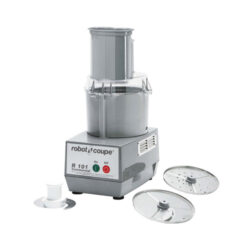
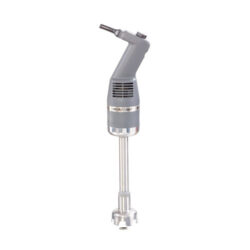
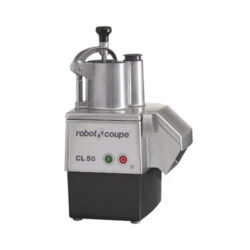
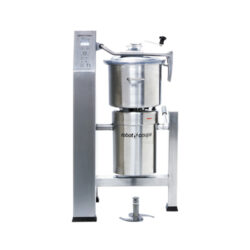
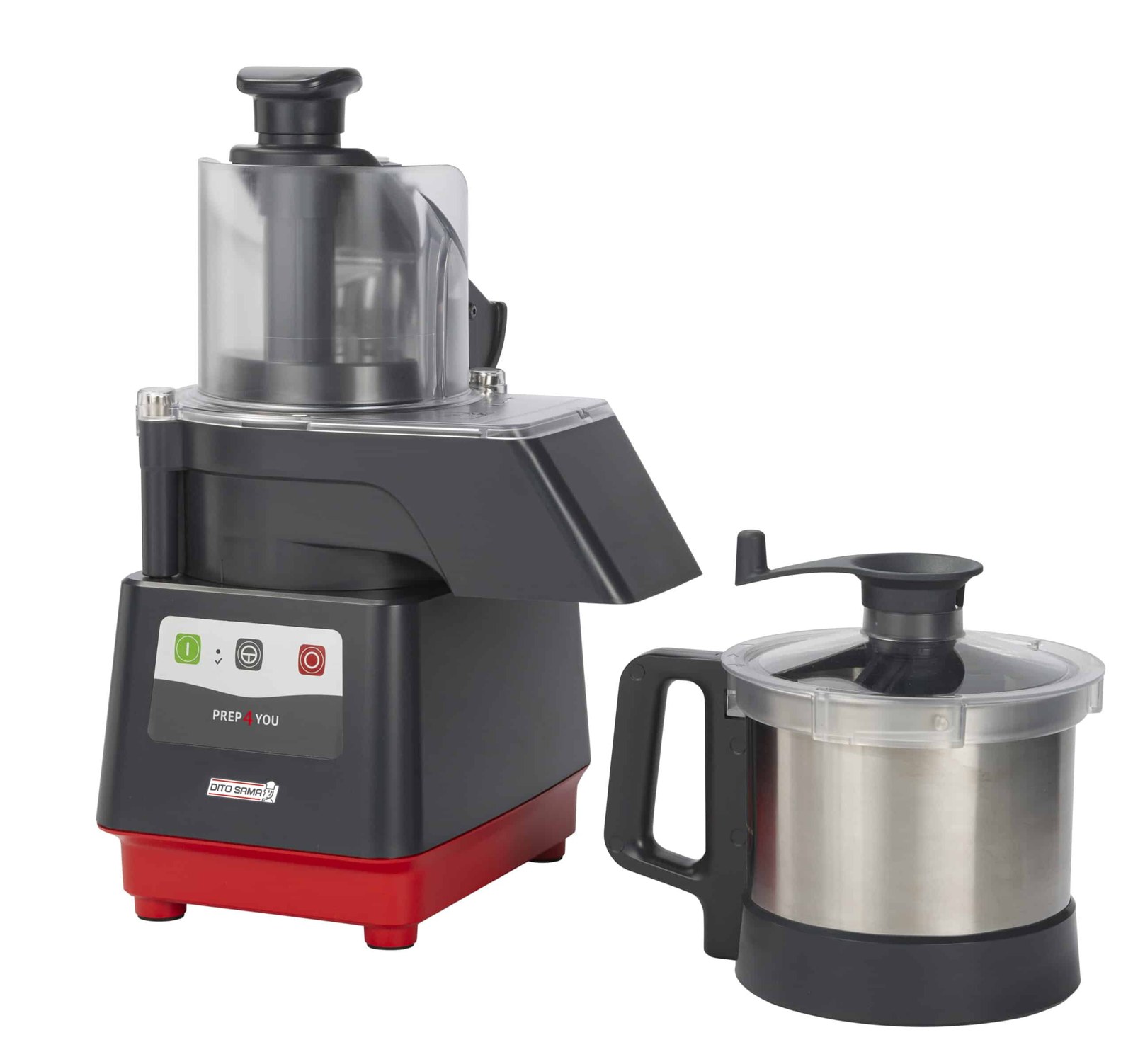
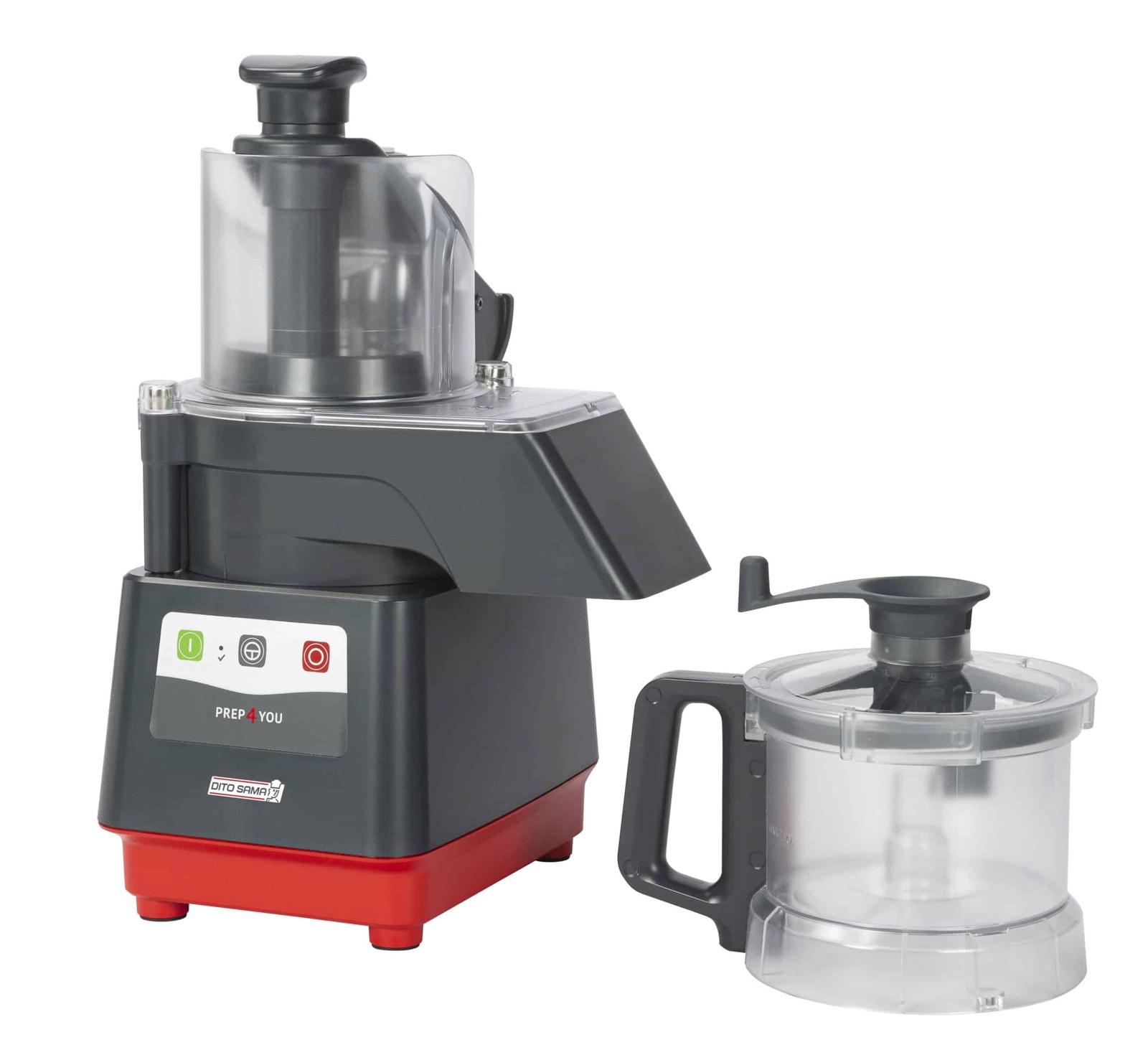
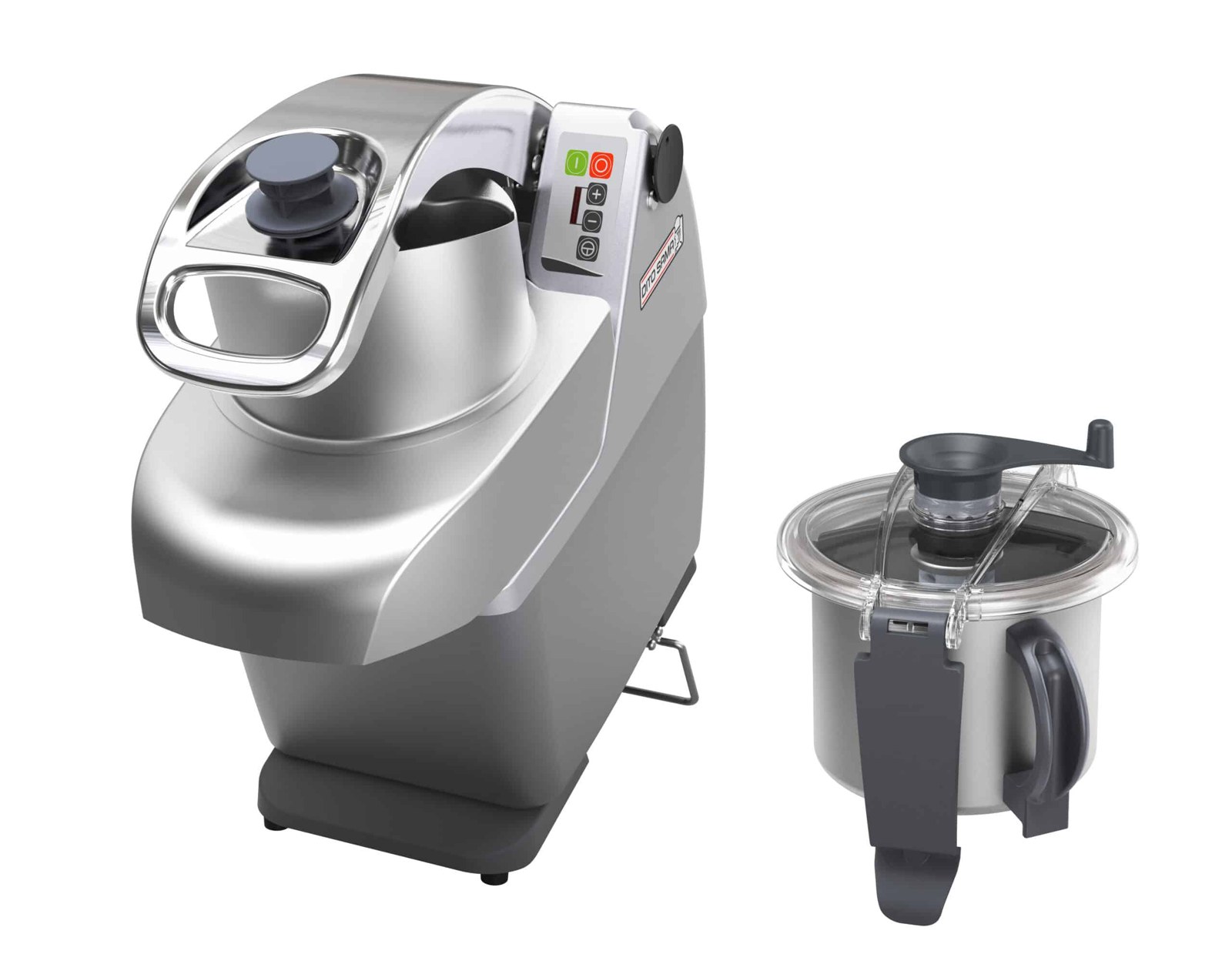
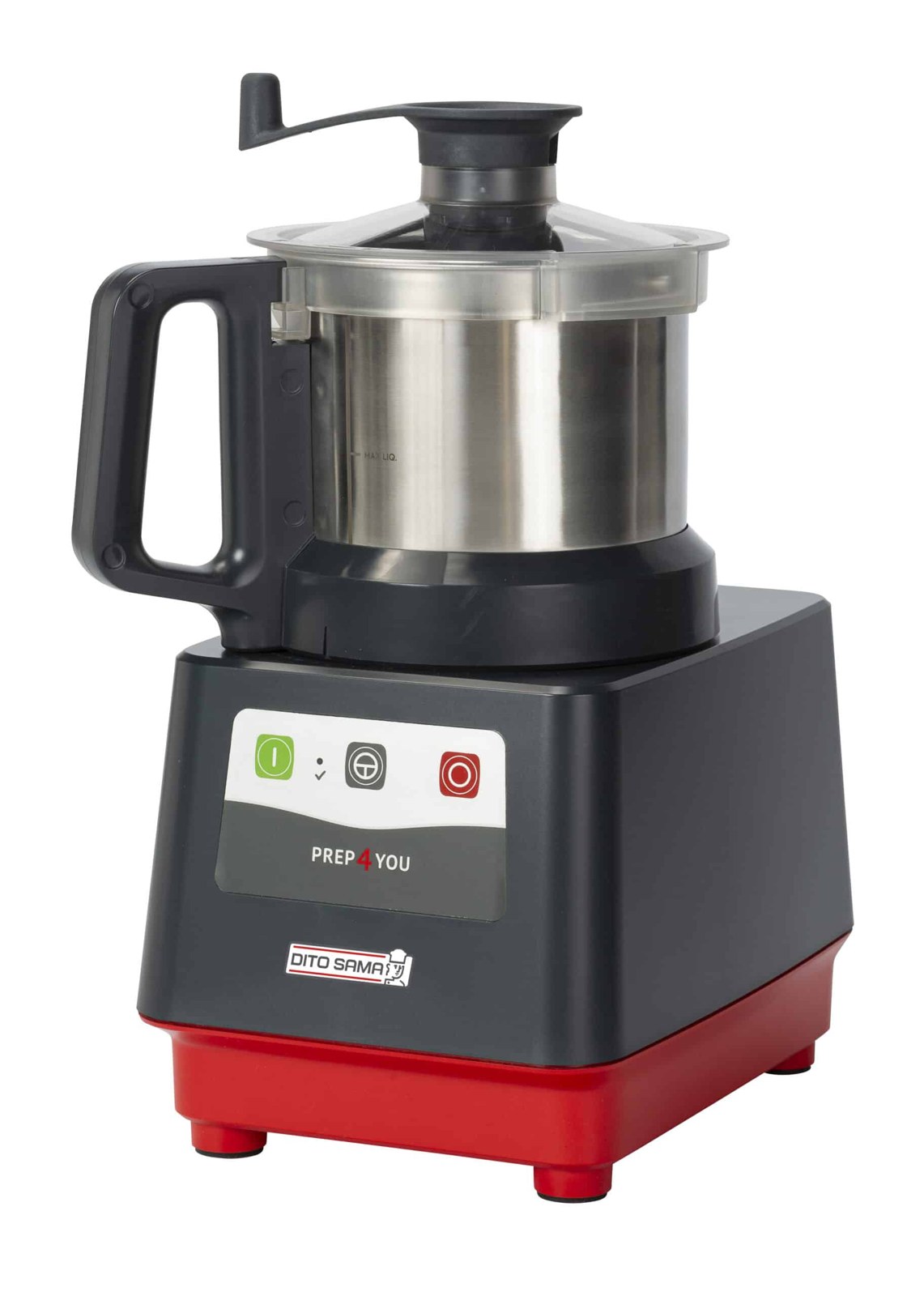
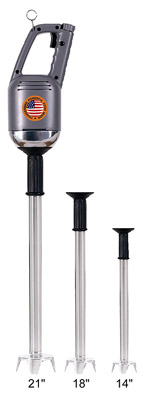
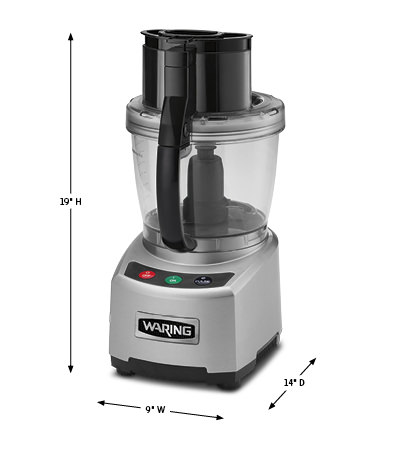
The right commercial food processing equipment takes repetitive prep off your team’s hands – chopping, slicing, dicing, shredding, puréeing and blending in minutes instead of hours. Babak Food Equipment offers commercial food processors and immersion blenders for restaurants, cafés, catering companies, hotels, schools and institutional kitchens across Vancouver and British Columbia, from brands such as Hobart, Robot Coupe, Dynamic and Eurodib.
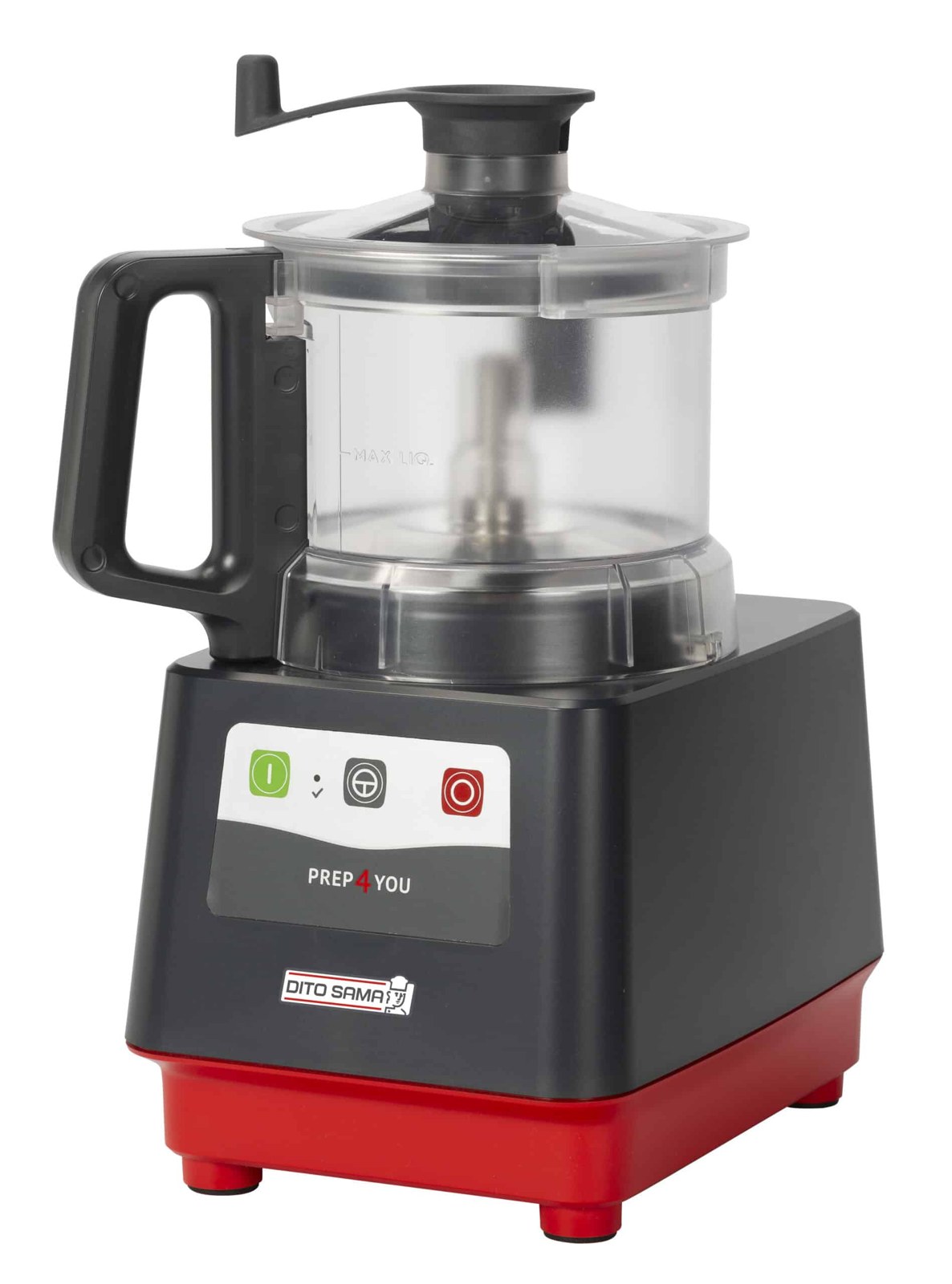
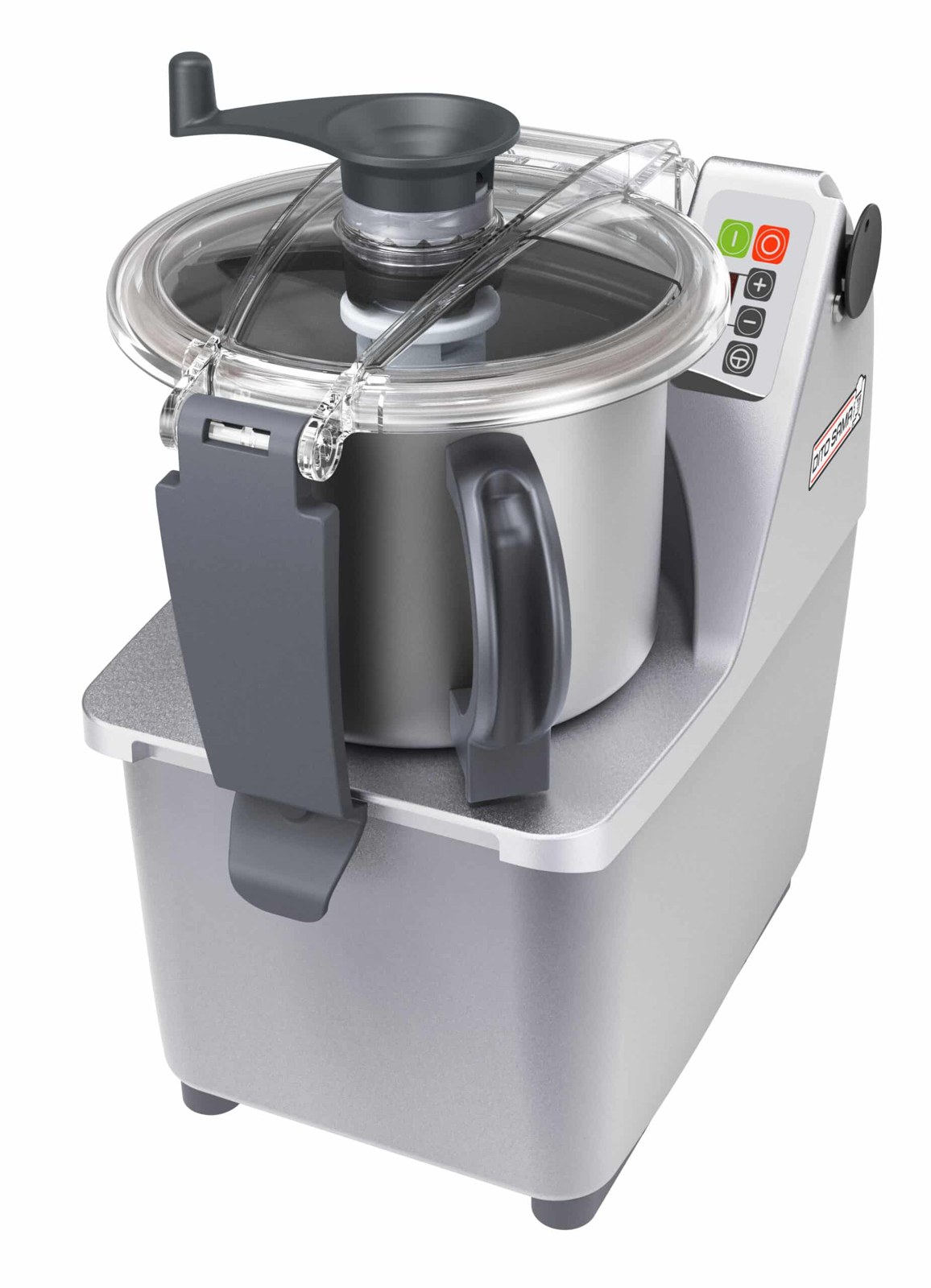
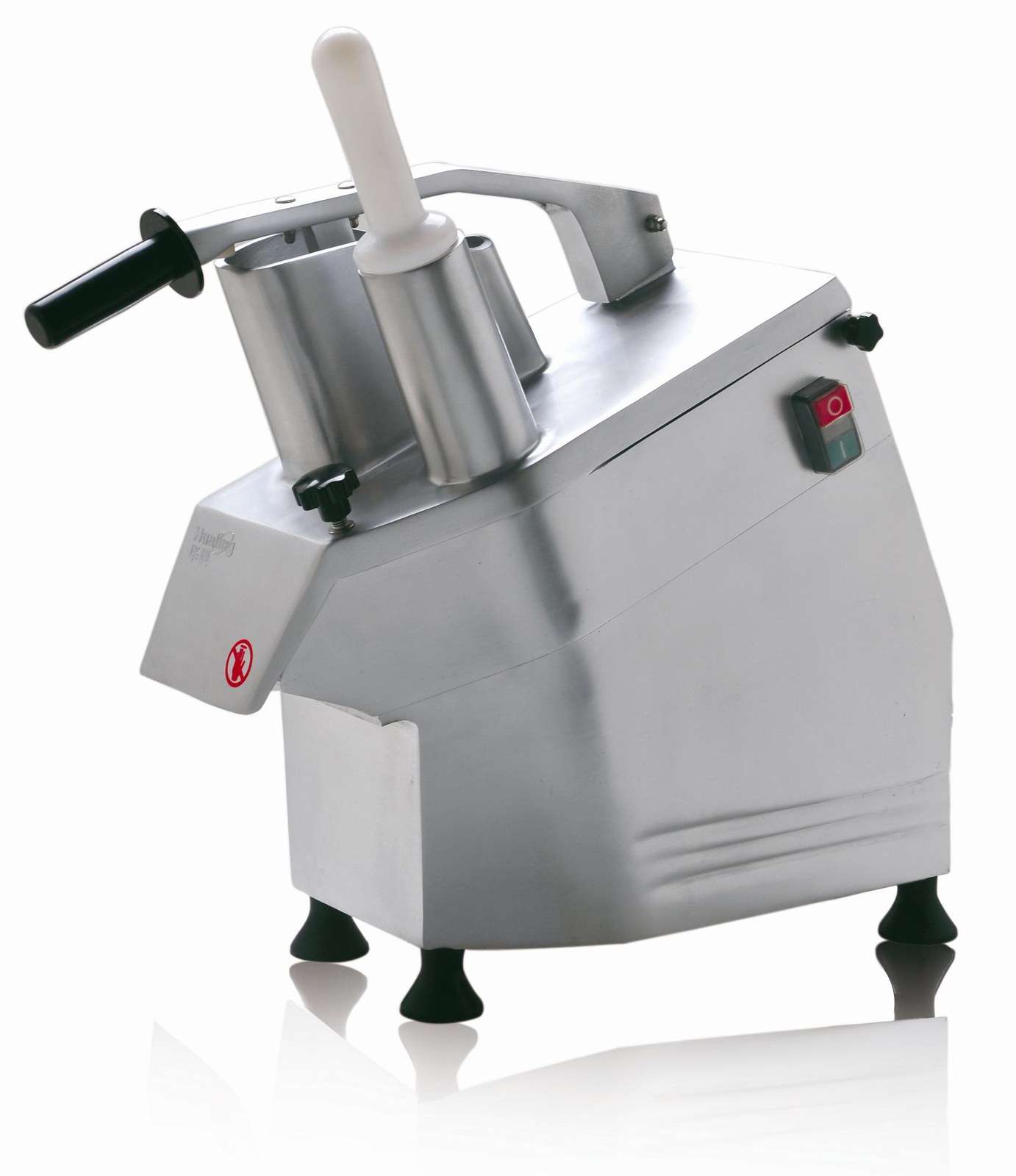
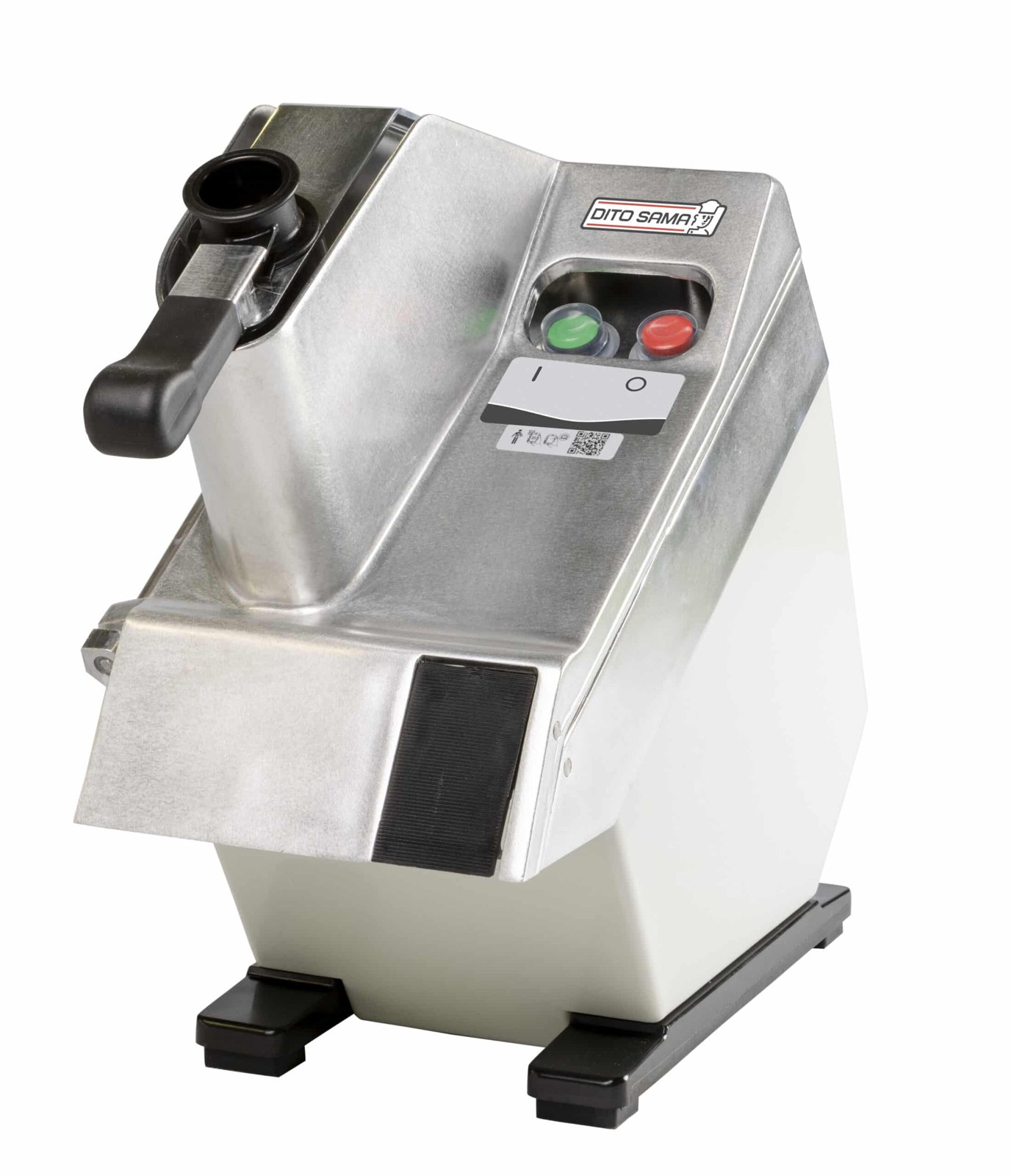
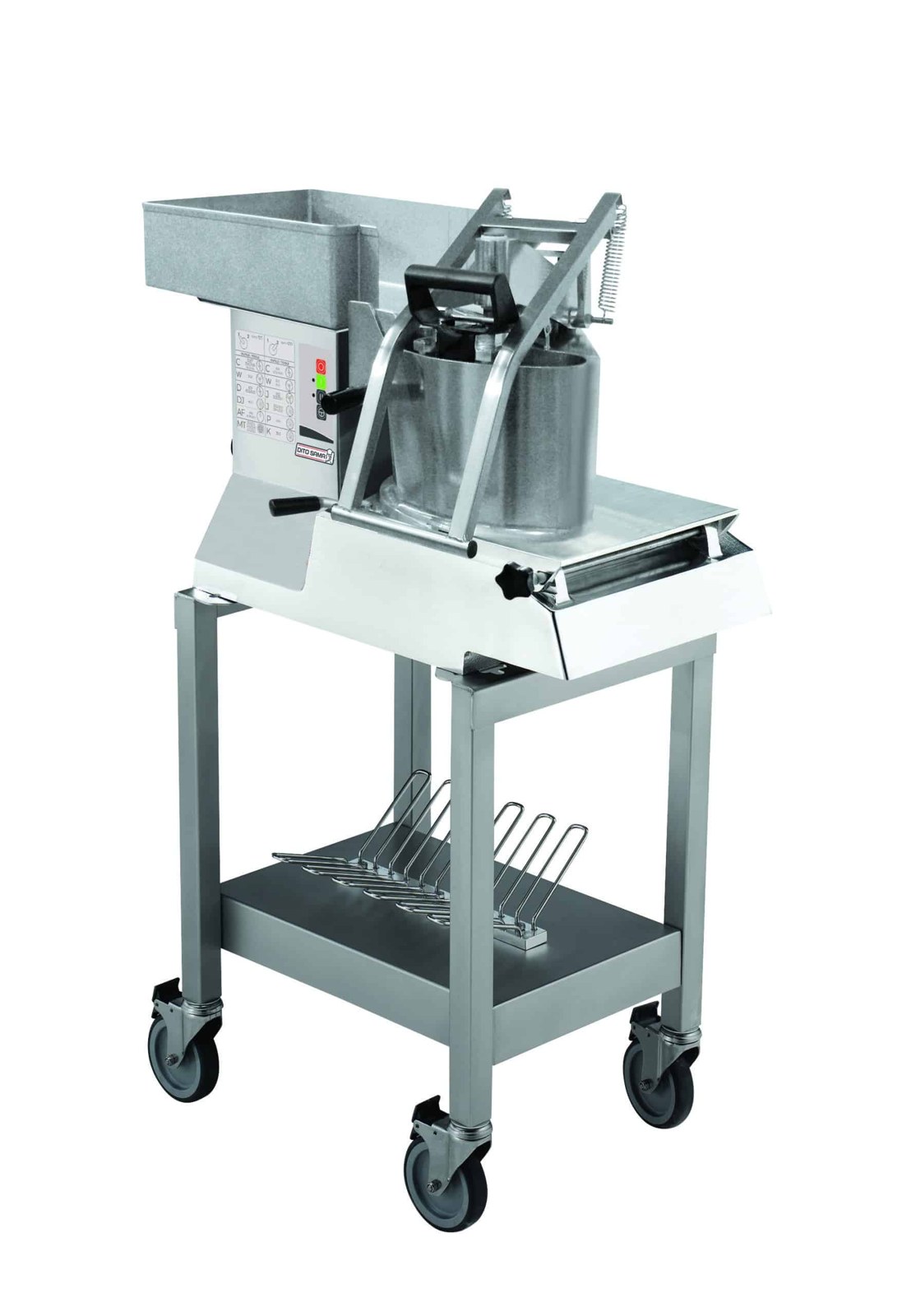
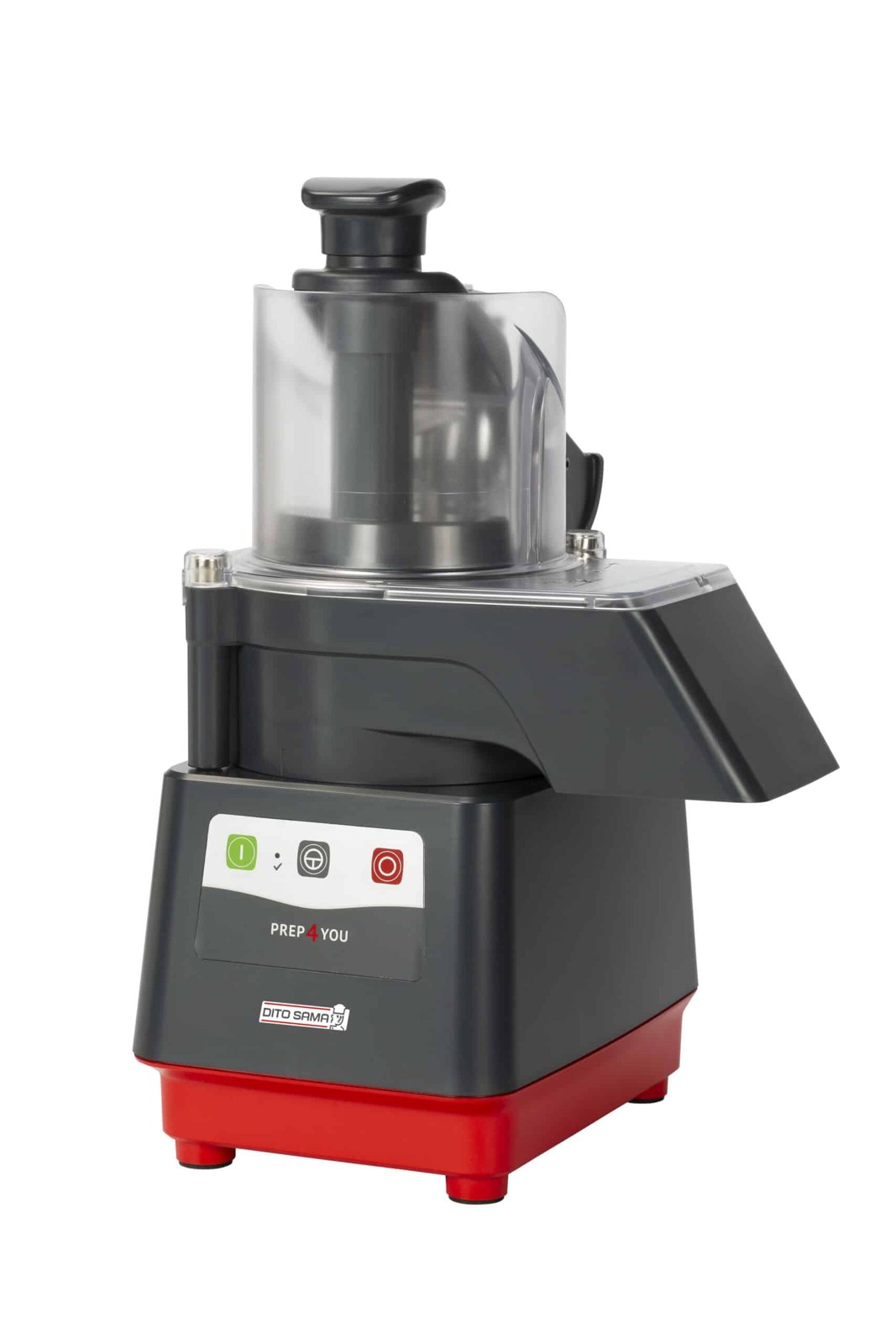
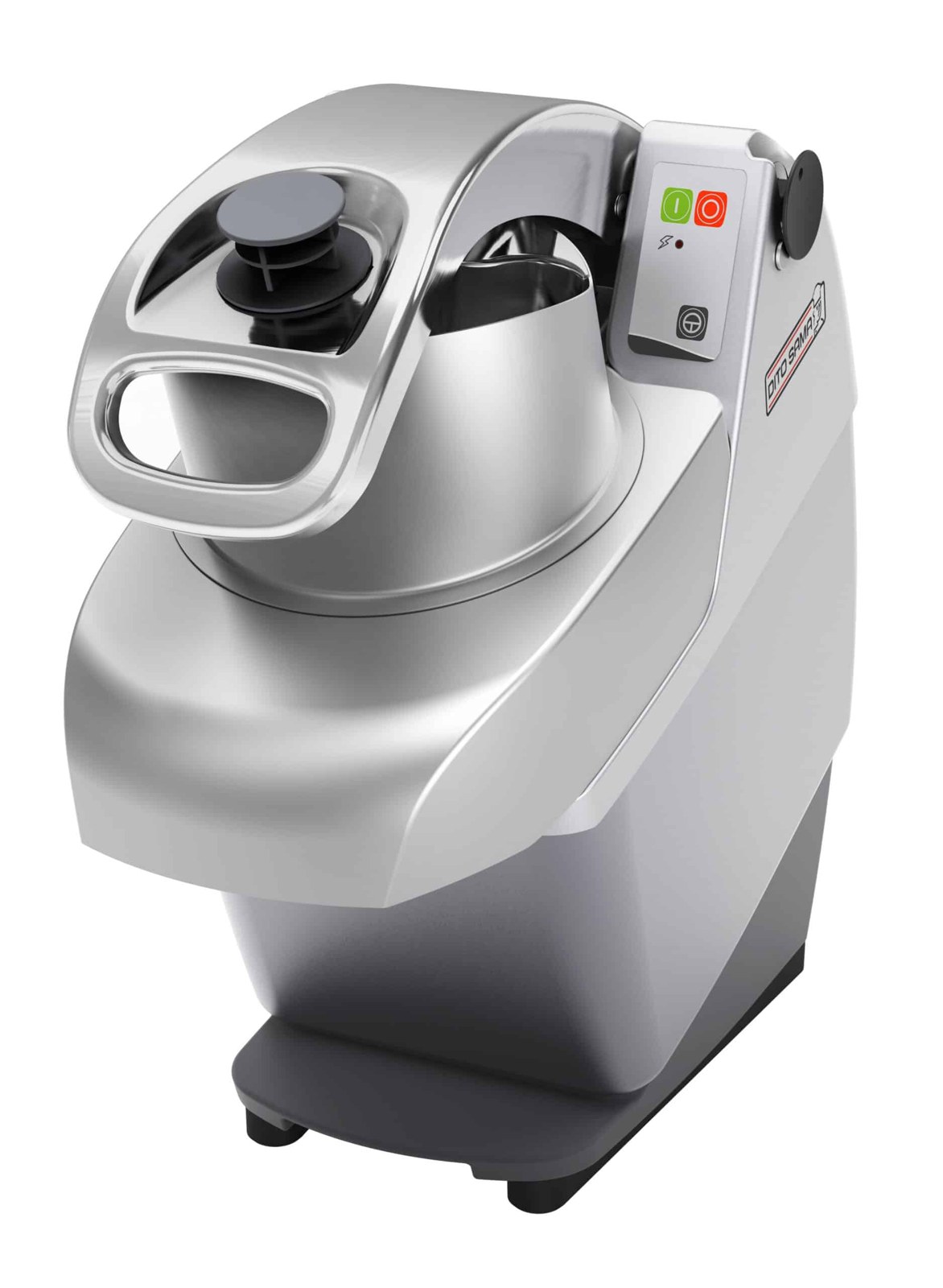
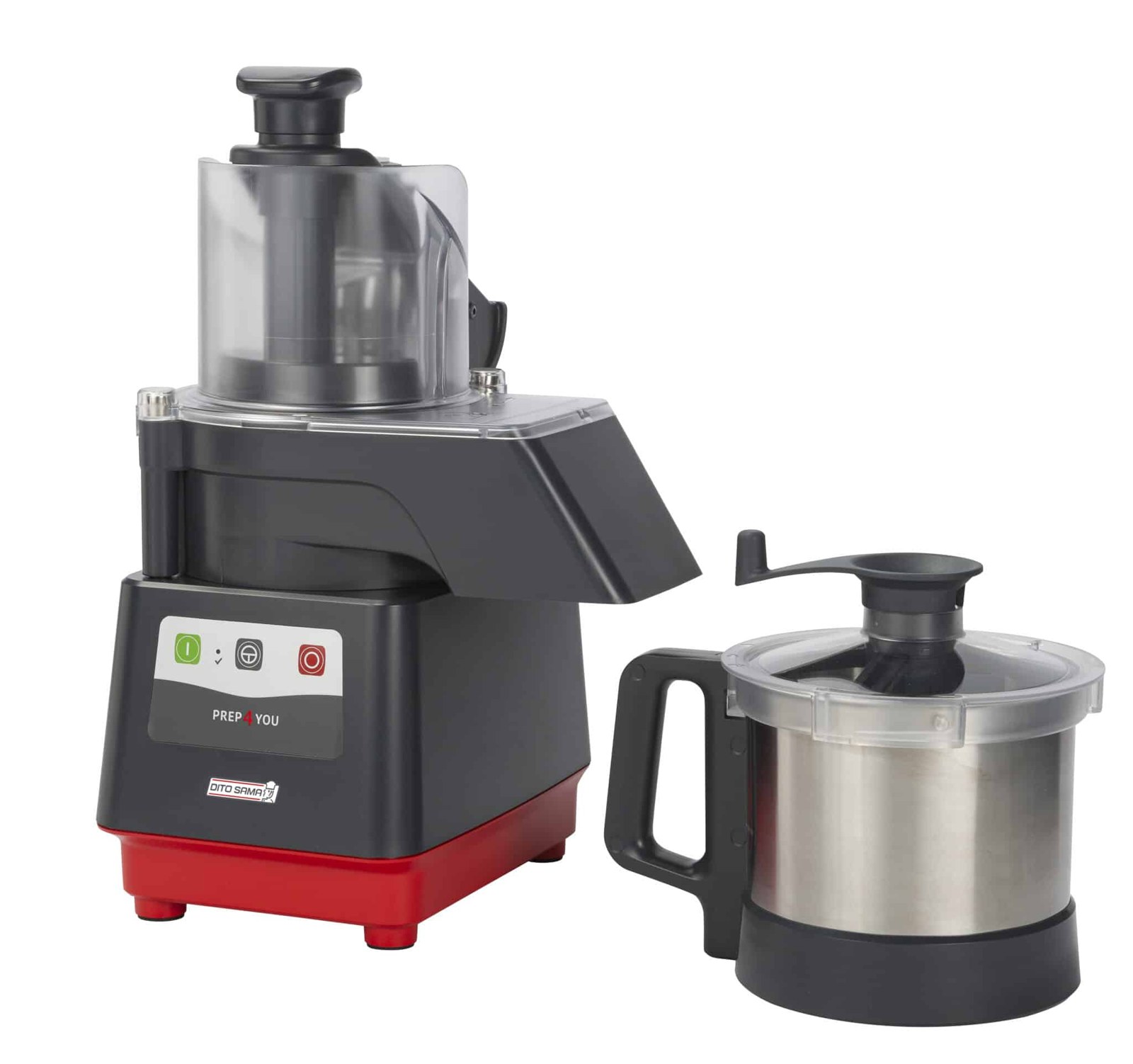
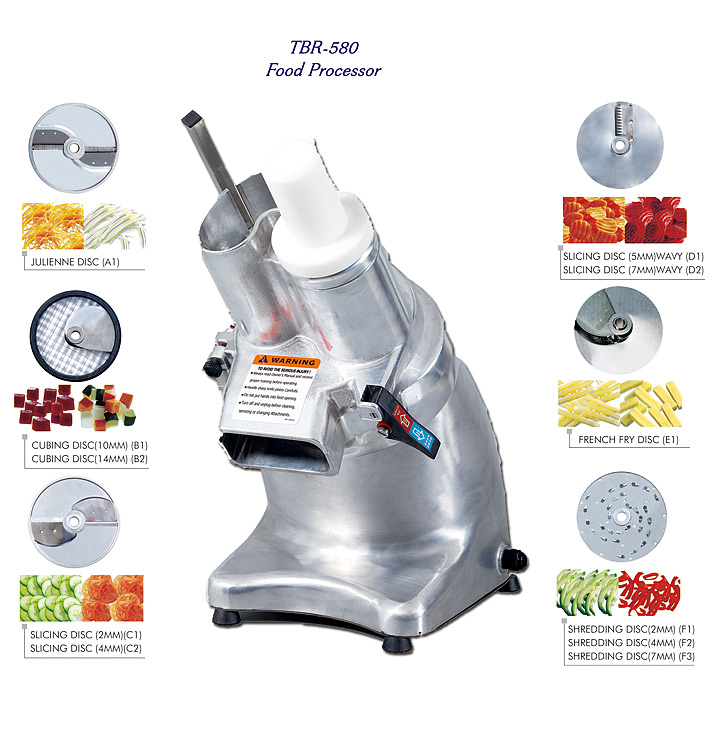
Commercial food processors chop, mix, purée, slice and grate. Batch-bowl models are ideal for sauces, dips, pesto and doughs, while continuous-feed models push vegetables through slicing, shredding and dicing discs straight into a pan. Combination units offer both in one machine.
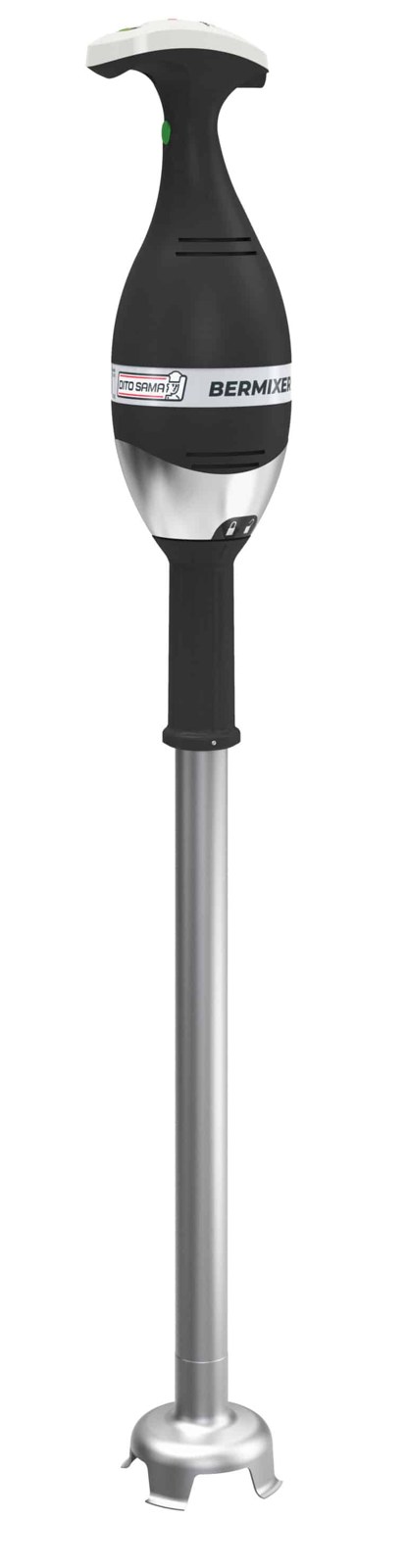
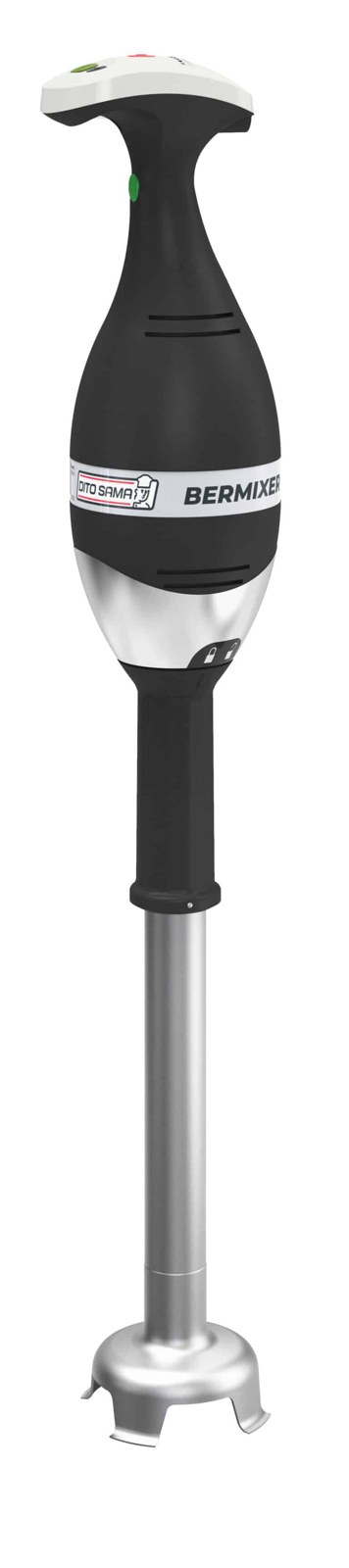
Immersion blenders – also called stick or hand blenders – purée soups, sauces and batters directly in the pot. Commercial models come in different shaft lengths to match pot depth, and some include a whisk attachment for creams and batters.
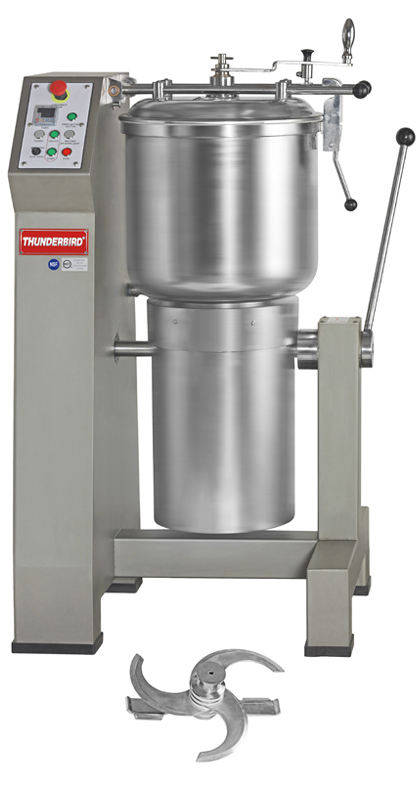
Food processing in a commercial kitchen also includes commercial mixers for dough and batter, slicers and graters for deli meats, bread and cheese, and meat grinders for in-house ground meat.
Babak Food Equipment has been equipping commercial kitchens for more than 20 years and holds a 4.9★ Google rating from 380+ reviews. Our team can help you compare Robot Coupe, Hobart and other food processors, choose the right discs and check power needs. Delivery and installation options are available across BC – details and costs are discussed when you order. Equipping a full prep line? Ask about certified used restaurant equipment as well.
| Equipment | Main tasks | Best for |
|---|---|---|
| Batch-bowl food processor | Chopping, mixing, puréeing | Sauces, dips, dressings |
| Continuous-feed processor | Slicing, shredding, dicing | High-volume vegetable prep |
| Combination processor | Both bowl and continuous feed | Restaurants with varied prep |
| Immersion blender | Puréeing and blending in the pot | Soups, sauces, batters |
Commercial kitchens commonly use food processors, immersion blenders, mixers, slicers, graters and meat grinders. Larger operations add vegetable cutters, cutter mixers and dicing machines.
Beyond cooking and refrigeration, most commercial kitchens have prep equipment such as a food processor, an immersion blender, a mixer and a slicer, plus sinks and a dishwasher.
A blender is best for liquids – smoothies, soups and sauces. A food processor handles solid foods: chopping, slicing, shredding and mixing doughs and pastes.
Most professional kitchens buy from a commercial food equipment supplier that can advise on sizing, power and installation, rather than from a household appliance store.
Yes. Commercial units have stronger motors, larger capacities and parts built for continuous daily use and frequent sanitizing.
Availability, pricing, warranty terms, delivery and installation are confirmed at the time of purchase – request a quote on any model or call our team at (604) 566-9747.
No account yet?
Create an Account