

Hot Holding Equipment: BC Rules, Types and How to Choose

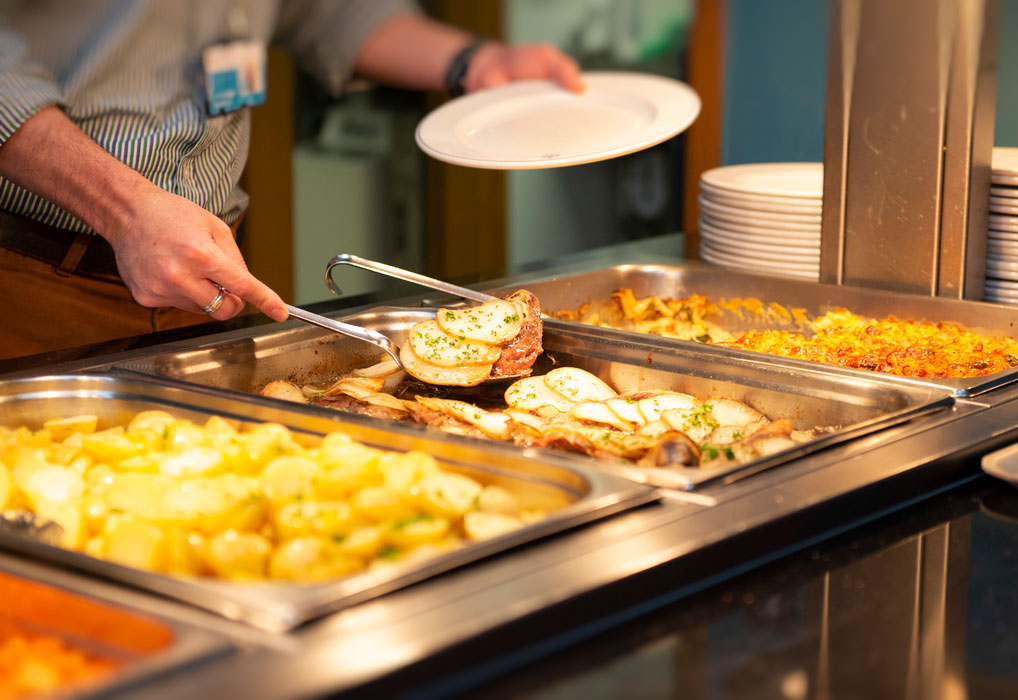
Hot holding means keeping cooked food at or above 60 °C (140 °F) until it is served. In BC, the Food Premises Regulation sets 60 °C as the minimum for hot food, with cold food held at 4 °C or colder. Hot holding equipment, such as heated cabinets, food warmers, steam tables and heated display cases, is built to maintain that temperature. It is not built to cook food or to bring cold food up to temperature.
This guide explains what hot holding is, which equipment suits which kitchen, and the rules of thumb we give BC operators who are setting up a hot line, a buffet, a takeout counter or a catering operation.
What Is Hot Holding?
Hot holding is the stage between cooking and serving. Food is cooked to a safe temperature, moved into a holding unit and kept hot until a guest orders it or takes it from the line. The goal is to keep the food out of the temperature range where bacteria multiply quickly. In BC that means food must not drop below 60 °C while it is on display or waiting for service. (Food between 4 °C and 60 °C is in the range that is commonly called the danger zone.)
Good hot holding does three things for your kitchen. It lets you cook ahead of rush periods, it protects the quality of the food while it waits, and it helps you cook in larger batches with less equipment on the line.
The BC Hot Holding Rule in Plain Terms
- Hot food: 60 °C (140 °F) or higher. This comes from BC’s Food Premises Regulation. Cold food is held at 4 °C (39 °F) or lower, and frozen food at -18 °C (0 °F) or lower.
- Check with a thermometer. Keep a probe thermometer in the kitchen and test the food itself, not just the display on the unit. Health authorities expect refrigeration and hot-holding equipment to have an accurate thermometer.
- Reheating comes first. Cooked food that was cooled and stored needs to be reheated properly before it goes into a holding unit. Health authority guidance in BC (for example, Fraser Health) asks for reheating to at least 74 °C (165 °F) within two hours. Confirm the figure your own health authority uses.
- Follow your health authority. Vancouver Coastal Health, Fraser Health and other regional authorities inspect food premises and approve plans. Your food safety plan should say how you hold hot food and how often you check it.
Can You Use Hot Holding Equipment to Reheat Food?
No. This is one of the most common mistakes. Holding units are designed to keep hot food hot, and most of them heat slowly. Cold or lukewarm food placed in a holding cabinet or steam table can sit in the unsafe range for a long time before it reaches 60 °C. Reheat food on a range, in an oven, a steamer or a rethermalizer, then move it to the holding unit.
If your kitchen reheats a lot of portioned or packaged food, look at rethermalizers, which are made for that job, and then hold the results in a cabinet or warmer.
Types of Hot Holding Equipment
The right choice depends on your menu, your volume and where the food is served. Browse our full hot and hold range to compare.
Holding Cabinets
Insulated cabinets hold full pans or trays at a steady temperature. They suit high-volume kitchens, catering and banquet operations, and anyone who needs to cook ahead of service. Mobile cabinets are easy to move between the kitchen and the event. See our hot holding cabinets and the wider holding cabinets category, or a model such as the Atosa ATHC-18-P 18-pan heated insulated cabinet. Proofing cabinets are in the same family, and bakeries use proofer cabinets for dough.
Food Warmers
Food warmers hold soups, sauces, rice, gravy and side dishes in countertop wells or pans. They are compact, affordable to run and simple to operate. Browse our food warmers, including the Atosa 7800 full-size food warmer. We also have a longer guide to food warmers for every business.
Steam Tables
Steam tables use hot water or steam to keep pans at a stable temperature, and they are the classic choice for buffets, cafeterias and serving lines. Many include a cutting board or an undershelf. An example is the Atosa CSTEB-5C five-well electric steam table. Add a sneeze guard if guests serve themselves.
Heated Display Cases
Display warmers hold food in view of the customer. They are right for takeout counters, delis, bakeries, convenience stores and grocery hot cases. Browse display warmers and heated display cases, such as the Hot Zone HZ 371 horizontal heated display case.
How to Choose the Right Hot Holding Unit
- Menu: moist foods (soups, sauces, rice) do well in wet-well warmers and steam tables. Crispy foods (fried chicken, fries, pastries) need dry heat and short hold times.
- Volume: count the pans you need to hold at your busiest hour, and add some room for batch cooking.
- Service style: a display case is for walk-up sales, a cabinet is for back-of-house or catering, and a steam table is for a buffet line.
- Space and power: check the footprint, the voltage and the amperage. Many cabinets and warmers run on a standard 120 V outlet, but larger units may need a dedicated circuit.
- Cleaning: look for removable pans, smooth interior corners and drains that make daily cleaning easy.
- Temperature control and thermometer: choose a unit with a clear, accurate control and a visible thermometer, and plan to check the food temperature with a probe.
Best Practices for Hot Holding in a BC Kitchen
- Preheat the unit before loading it. Holding equipment is not designed to heat up with food inside.
- Load food that is already hot, at or above the temperature your health authority requires for reheated food.
- Keep lids on and keep doors closed when you can, to protect heat and moisture.
- Probe the food at set times and record the readings in your log.
- Stir and rotate pans so the oldest food is served first, and set a maximum hold time for each item in your food safety plan.
- Do not top up old food with fresh food. Replace the pan.
- Clean and sanitize the unit on a regular schedule and after any spill.
Hot food that has dropped below 60 °C should be treated according to your food safety plan and your health authority’s guidance. If you are not sure what to do, ask your inspector or a FOODSAFE-trained manager rather than guess.
Common Hot Holding Mistakes
- Using a holding unit as a cooker or reheater.
- Turning the unit on only when food is loaded.
- Judging temperature by the dial, not by a probe.
- Holding delicate food too long, so it dries out, thickens or toughens.
- Mixing batches of different ages in the same pan.
Hot Holding Equipment Comparison
| Equipment | Best for | Typical setting |
|---|---|---|
| Holding cabinet | Large batches, catering, cook-ahead service | Back of house or mobile |
| Food warmer | Soups, sauces, rice, sides | Countertop service line |
| Steam table | Buffets, cafeterias, serving lines | Front of house, self-serve with a guard |
| Heated display case | Takeout, deli, bakery, grab-and-go | Front of house, customer-facing |
| Rethermalizer | Bringing cooked, chilled food back to temperature | Kitchen prep, before holding |
Frequently Asked Questions
What is hot holding?
Hot holding is keeping cooked food hot, at or above 60 °C (140 °F) in BC, from the time it is cooked until it is served, using equipment such as heated cabinets, food warmers, steam tables and heated display cases.
What temperature must hot food be held at in BC?
BC’s Food Premises Regulation requires hot food to be held at 60 °C (140 °F) or higher. Follow your own health authority’s requirements and use a probe thermometer to check the food.
Can I use hot holding equipment to reheat food?
No. Holding units are made to keep hot food hot, not to heat cold food. Reheat on a range, oven, steamer or rethermalizer first, then move the food into the holding unit.
How hot should food be before it goes into a holding unit?
Reheat it to the temperature your health authority asks for. Fraser Health guidance, for example, asks for at least 74 °C (165 °F) within two hours. Confirm the figure that applies to you.
What equipment is used for hot holding?
The main types are holding cabinets, food warmers, steam tables and heated display cases. Rethermalizers are used earlier in the process to bring chilled cooked food back up to temperature.
How long can food stay in a hot holding unit?
Hold times depend on the food and on your food safety plan. Quality drops long before safety does for many foods, so set a maximum time for each item and check the temperature with a probe at regular intervals.
Need hot holding equipment for your kitchen? Browse our hot and hold equipment, food warmers and holding cabinets, or visit the Babak showroom at 7190 Randolph Ave in Burnaby. Call (604) 566-9747 or request a quote. Pricing, availability, delivery and installation are confirmed at the time of purchase.