

Blog
Restaurant Kitchen Equipment List: What You Need and Costs

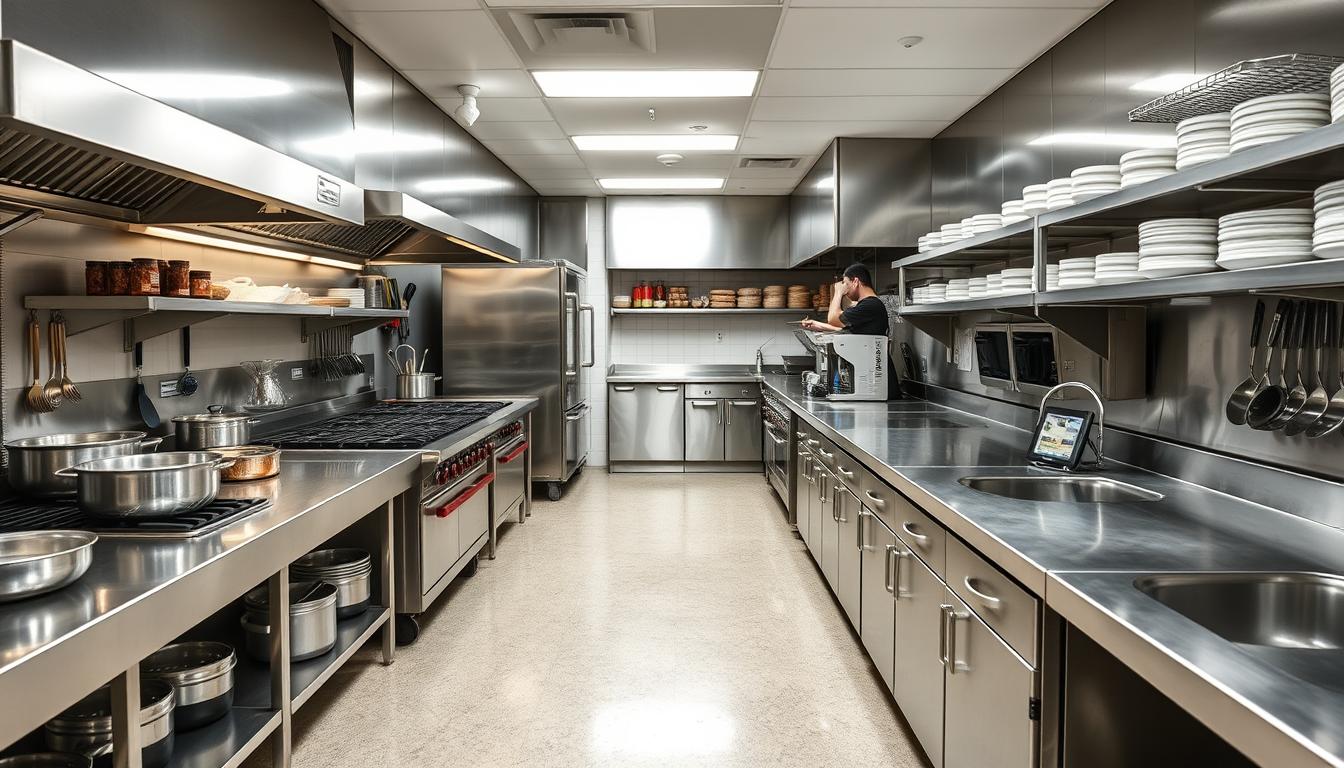
The commercial kitchen equipment a restaurant needs falls into eight groups: cooking, refrigeration, food prep, dishwashing and sinks, ventilation, hot holding and beverage, storage, and smallwares. This list walks through each group, shows what to ask before you buy, and gives rough Canadian price ranges so you can build a realistic budget for a restaurant kitchen in Vancouver or anywhere in BC.
Use it as a checklist, not a shopping list. A pizzeria, a coffee shop and a full-service dining room share maybe half of their equipment. The rest depends on your menu, your seat count and the space you have.
Start with the menu, not the equipment
Before you price a single unit, write down what you will cook, how many covers you expect in your busiest hour, and how much of the menu is made from scratch. Those three answers decide most of the list.
- A grill-heavy menu points to a range, griddle or charbroiler and a serious hood.
- A bakery or pizza concept is built around ovens, mixers and dough prep.
- A cafe leans on espresso, blenders, display refrigeration and a small prep line.
- A fast-casual concept needs fryers, holding and fast, repeatable prep.
Then sketch the layout. Receiving, cold storage, prep, cooking, plating and dish return should follow the order food actually moves. Good flow saves more labor than any single machine. Our guide to kitchen layout goes deeper on this.
Commercial cooking equipment
Commercial cooking equipment is usually the biggest line in the budget, so decide it first. Everything else, from the hood to the gas line, is sized around it.
- Ranges are the workhorse for sauteing, boiling and simmering, with an oven below. Choose gas or electric based on your building services and your cooks’ preference.
- Fryers come in countertop and floor models, gas or electric. Count your fried items and peak orders before choosing vat size, and consider oil filtration to extend oil life.
- Griddles and charbroilers cover breakfast, burgers, steaks and sandwiches.
- Ovens include convection, combi, deck and conveyor styles. A combi oven can replace several pieces of equipment, but it is also the largest single investment on this list.
- Steamers and steam kettles suit soups, stocks, rice, vegetables and large-batch cooking.
- Specialty equipment such as rice cookers, crepe makers and sandwich grills fits concept-driven menus.
Gas appliances installed in BC need an SCC-accredited certification mark, and regulated gas work must be done by a Technical Safety BC licensed gas fitter under the proper permit. Ask for the certification details of any appliance before you commit, and confirm with your installer which permits apply in your municipality.
Refrigeration and cold storage
Commercial refrigeration protects your inventory and your inspection results. In BC, the Food Premises Regulation sets cold holding at 4 C (39 F) or below and frozen storage at -18 C (0 F) or below, and refrigeration equipment needs an accurate thermometer. Your health authority, such as Vancouver Coastal Health or Fraser Health, can answer questions about your specific premises.
- Reach-in refrigerators and freezers anchor most kitchens. Choose solid doors for the back of house and glass doors where staff or customers need to see stock.
- Undercounter units and chef bases keep ingredients within arm’s reach of the line.
- Prep tables, including sandwich prep and pizza prep units, combine a work surface with cold rails for mise en place.
- Display cases and merchandisers sell grab-and-go items, desserts and drinks.
- Blast chillers help kitchens that cook in bulk and need to cool food quickly and safely.
Measure doorways and delivery routes before ordering anything large. A reach-in that cannot get through the back door is an expensive lesson.
Food prep equipment
Food prep equipment turns labor hours into minutes when it matches your volume.
- Mixers: countertop and planetary models handle batters, sauces and light dough, while spiral mixers are built for bread and pizza dough. For example, the Thunderbird ARM-60 60 qt planetary mixer suits high-volume bakeries.
- Food processors and vegetable cutters speed up slicing, dicing and shredding.
- Slicers cover deli meat, cheese and bread. See the meat slicers and bread slicers categories.
- Blenders range from bar blenders to heavy-duty units for soups and purees.
- Meat prep equipment such as grinders, band saws and burger presses suits butcher counters and burger concepts.
Dishwashing and sinks
This is the group new owners underestimate. In BC, your health authority reviews your plans before construction, and it will look closely at handwashing and warewashing.
- A dedicated hand sink with hot and cold running water, soap and single-use towels is required in food premises, and it must be adequate in number and location.
- Manual dishwashing generally means a three-compartment sink: scrape, wash, rinse, sanitize, then air dry. Each compartment needs to fit your largest pot. Sanitizer strength and contact time vary by health authority, so follow your own authority’s guidance.
- A commercial dishwasher speeds up service. Options include undercounter, door-type and conveyor machines. High-temperature machines may need a booster heater.
- Add a mop sink for cleaning water, and consider a garbage disposal on the dish line.
Plumbing connections, drains and grease interceptors must meet the BC Plumbing Code and local bylaws, so involve your plumber early.
Ventilation and hoods
Heat, smoke and grease have to go somewhere. Exhaust and hood systems include exhaust hoods, fans and make-up air. Some low-grease appliances can use ventless hoods, but whether that is acceptable depends on the appliance and on local approval, so confirm with your building authority before you buy. Plan the hood together with your cooking line, because hood length and fan capacity depend on the appliances underneath.
Hot holding, ice and beverage equipment
- Hot holding equipment, including holding cabinets, food warmers and display warmers, keeps cooked food at or above 60 C (140 F), the figure in the BC Food Premises Regulation.
- Ice machines come as undercounter, modular and upright units. Size them to your peak drink service, and plan for regular cleaning following the manufacturer’s instructions.
- Beverage equipment covers coffee brewers, espresso machines, dispensers and juicers.
Storage, tables and smallwares
Tables and storage are not glamorous, but they decide how smoothly the kitchen runs. Stainless work tables, stainless and wire shelving, racks and carts and dunnage racks keep product off the floor and within reach. Do not forget smallwares: food pans, cookware, utensils and kitchen supplies. They are cheap individually and add up quickly across a full kitchen.
Energy efficiency and running costs
The purchase price is only part of the cost. When you compare two similar units, look at energy use, water use and how easy the unit is to clean.
- Match size to need. An oversized fryer or refrigerator wastes energy every day.
- Look at insulation, door gaskets and compressor design on refrigeration, and keep condenser coils clean.
- Compare the energy and water use shown on specification sheets for dishwashers, ice machines and combi ovens.
- Keep hoods and exhaust fans maintained so they run efficiently.
A slightly higher purchase price can be worth it if the unit uses less utility power over years of daily use. Ask us for the specifications of any model you are comparing.
Cleaning, service and keeping track of maintenance
Equipment lasts longer when it is cleaned and serviced on a schedule. Write a simple routine for each unit: daily wipe-downs, weekly deep cleans of fryers and griddles, monthly condenser coil cleaning on refrigeration, and scheduled descaling for steamers, dishwashers and combi ovens. Follow the manufacturer’s cleaning instructions and the sanitation plan you submitted to your health authority.
Many operators track service dates, filter changes and repair history in a spreadsheet or a maintenance app. Whichever method you choose, keep manuals, model numbers and serial numbers together so a service call is quick. When a component wears out, browse our parts and accessories category.
New, certified pre-owned or leased
You do not have to buy everything new. Many operators mix new equipment for the core line with certified pre-owned restaurant equipment for items such as work tables, shelving and refrigeration. Our guide to used kitchen equipment explains what to inspect.
If you want to spread out the cost, Babak’s team can discuss leasing and financing options. Read our financing overview and the startup leasing guide to compare the routes.
Rough price ranges for a restaurant kitchen
These are rough estimates for new equipment in Canadian dollars. They vary by brand, size and specification, and they are not Babak prices or a quote. Request a quote for current pricing.
| Equipment | Rough range (CAD, new) |
|---|---|
| Single-door reach-in refrigerator | $2,000 to $5,000 |
| Undercounter refrigerator | $1,800 to $4,500 |
| Refrigerated prep table | $2,000 to $5,500 |
| Commercial range with oven (gas or electric) | $2,500 to $8,000 |
| Floor fryer | $1,500 to $5,000 |
| Full-size convection oven | $3,500 to $9,000 |
| Combi oven | $9,000 to $30,000 or more |
| Undercounter dishwasher | $4,000 to $9,000 |
| Ice machine with bin | $2,500 to $7,000 |
| 20 qt planetary mixer | $1,200 to $3,500 |
| Three-compartment sink | $800 to $2,500 |
| Stainless work table | $400 to $1,500 |
Hoods, installation, plumbing, gas and electrical work are separate costs. A small cafe kitchen can often be equipped for tens of thousands of dollars, while a full-service restaurant kitchen can run well into six figures. Our equipment cost guide breaks the budget down further.
Frequently Asked Questions
What equipment do I need for a restaurant kitchen?
Most kitchens need cooking equipment, refrigeration, food prep tools, a handwashing sink, a three-compartment sink or commercial dishwasher, a ventilation system, hot holding, storage and smallwares. The exact list depends on your menu and seat count.
How much does it cost to equip a restaurant kitchen in Canada?
As a rough estimate, a small cafe kitchen may cost tens of thousands of dollars, and a full-service restaurant can reach six figures, depending on brand, size and whether items are new or used. Request a quote for current pricing.
What do I need to get approved to open a food business in BC?
In BC you generally submit your plans to your regional health authority, such as Vancouver Coastal Health or Fraser Health, for approval before construction, then receive a permit after inspection. A FOODSAFE Level 1 certificate or equivalent is also required for the operator. Check with your health authority for your premises.
Should I buy new or used commercial kitchen equipment?
Many owners buy new equipment for the high-use cooking line and consider certified pre-owned items for tables, shelving and some refrigeration. Inspect used items carefully and confirm that gas and electrical equipment carries the required certification marks.
Do I need a hood for every cooking appliance?
Not always. Grease-producing appliances normally need an exhaust hood, while some low-grease or ventless models may qualify for other setups. Confirm with your building authority and your hood installer.
Can I lease or finance restaurant equipment?
Babak’s team can discuss leasing and financing options with you. Contact us to talk through what suits your business.
Ready to build your list? Browse our cooking equipment and refrigeration categories, visit the showroom at 7190 Randolph Ave, Burnaby, or call (604) 566-9747 to request a quote. Our team will help you match equipment to your menu and your space. Pricing, availability, delivery and installation are confirmed at the time of purchase.