

Blog
How to Light and Use a Propane Deep Fryer Safely


To light a propane deep fryer, fill the tank with oil first, confirm the drain valve is closed, open the gas supply slowly, then follow the pilot or ignition sequence in the manufacturer’s manual. Pilot-light models are lit with the control knob on PILOT and a long lighter. Electronic-ignition models light with a button or switch. Either way, the order of steps matters, and the manual for your exact model always comes first.
This guide covers the practical steps for a commercial propane (LP) floor or countertop fryer, what to check before you light it, how to shut it down, and what to do if something does not look right. If you are searching for how to light a turkey fryer, there is a section for that too, because those outdoor burners are lit differently.
Before you light: installation and safety checks
A fryer that is installed correctly is much easier to light safely. In British Columbia, gas appliances must be installed and connected by a licensed gas fitter working under a permit, and the appliance needs to carry a recognized certification mark. Technical Safety BC (TSBC) is the regulator, and some cities such as Vancouver and Burnaby issue gas permits themselves. Commercial appliances also go through a commissioning approval request before first use. Do not connect the gas line, swap a regulator or convert a fryer between natural gas and propane yourself. That work belongs to a licensed fitter.
Once the fryer is installed, run through this list before every lighting:
- Smell for gas. If you smell gas, do not light anything. Shut the supply valve, ventilate, keep ignition sources and switches away, and call your gas supplier or emergency services from a safe distance.
- Check the oil. Never light a burner with an empty tank. Fill to the fill line marked inside the tank. Oil expands when it heats, so overfilling can spill onto the burners.
- Close the drain valve. Confirm it is fully shut and the drain line or filter pot is seated.
- Keep water out. Water in hot oil causes violent spattering. Dry the baskets and pots, and wipe condensation off the tank before filling.
- Check the area. Keep the floor dry, clear the space around the fryer, and make sure the hood fan is running.
- Know your fire plan. Know where the suppression system pull station and the Class K extinguisher are. Check with your local fire authority about what your kitchen requires.
How to light a propane deep fryer: step by step
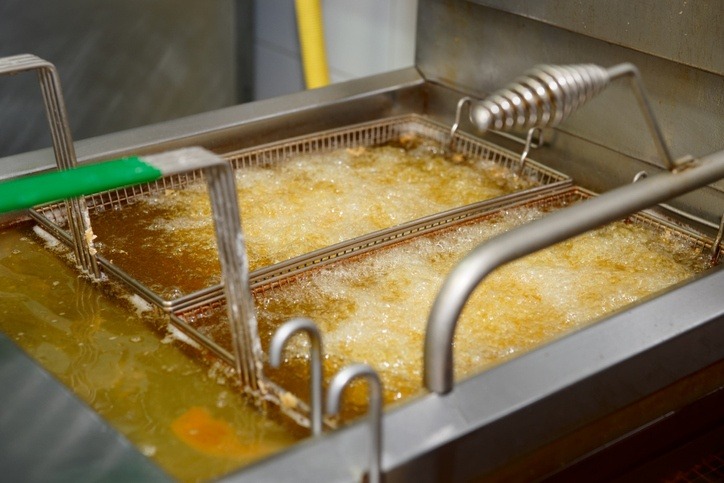
These steps describe the typical sequence for a standing-pilot or millivolt commercial fryer. Models differ in control layout and pilot timing, so treat this as a guide to what the manual will say and follow the manual if it differs.
- Fill the tank with oil or melted shortening. Bring the level to the fill line. If you use solid shortening, melt it first on the melt setting or by the method in your manual so it does not sit on the heat tubes in a solid block.
- Turn the thermostat to its lowest setting or OFF. The burners should not call for heat while you light the pilot.
- Open the gas supply. Open the shutoff valve on the line or the propane cylinder valve slowly. Wait a minute for any gas in the chamber to clear.
- Set the gas control valve to PILOT. Press and hold the knob or button so gas flows to the pilot.
- Light the pilot. Use a long-reach lighter or a lighting wand through the pilot opening. Keep your face and hands away from the opening.
- Keep holding the control. Many manuals call for holding it down for around a minute so the thermocouple heats up. Release slowly. If the pilot goes out, close the valve, wait the time the manual specifies and start again.
- Turn the gas valve to ON. Then turn the thermostat to the desired temperature. The main burners should light.
- Watch the flame. You want a steady blue flame. A lazy yellow flame or flame lifting off the burner means stop and call service.
- Let the oil heat. Heat gradually. Do not load food until the thermostat light shows the oil is at set temperature, and confirm with a thermometer.
Electronic-ignition fryers skip the manual pilot. You turn the power switch on, set the thermostat, and the unit sparks and lights itself. If it fails to light after the number of tries your manual lists, shut it off and call for service rather than retrying repeatedly.
How to turn on a deep fryer and cook safely
Once the oil is at temperature, many frying problems are about technique, not equipment.
- Dry food before it goes in. Frozen food should be shaken free of ice crystals, and breaded food should have loose crumbs shaken off.
- Lower baskets slowly. Lowering gently limits spatter and temperature drop.
- Do not overload. A common guideline is to fill baskets no more than half to two thirds so the oil recovers quickly.
- Use the right temperature. Most fried foods cook between about 160 °C and 190 °C (320 °F to 375 °F). Check the recipe and fryer manual.
- Filter the oil. Filtering removes crumbs that burn and shorten oil life. An oil filtration machine makes this easier on a busy line.
- Never leave a hot fryer unattended. Set a timer for each batch.
How to light a propane turkey fryer (outdoor burner)
A propane turkey fryer is a different appliance from a restaurant fryer. It is an outdoor burner with a pot on a stand, and it is not intended for commercial kitchens. The same logic still applies: read the manual, set it up outdoors on level ground away from buildings, decks and overhangs, and never use it inside a garage, shed or covered area. The usual sequence is to check the hose and regulator for leaks, open the cylinder valve slowly, light the burner as the manual describes (some use a match or lighter at the burner before opening the control valve, others have an igniter), and then bring the oil up to temperature slowly with a thermometer in the pot. Thaw and dry the bird completely, because ice or water causes dangerous boil-over. Measure oil with the water-displacement method in the manual so the pot is not overfilled.
If you run a restaurant, a food truck or a catering business, use a certified commercial fryer that is installed and permitted for your premises rather than a backyard turkey burner.
If the fryer will not light
- Pilot will not stay lit: a dirty or misaligned pilot, a worn thermocouple or a low gas supply are common causes. Cleaning the pilot orifice and checking the supply is a job for a technician if the manual does not describe it.
- Main burners do not light: check the thermostat is calling for heat, the high-limit reset (if your model has one) has not tripped, and the gas valve is on.
- Propane cylinder issues: a nearly empty cylinder or a frozen regulator in cold weather can starve the burners. Switch cylinders only as the manual allows.
- Oil takes too long to heat: soot on the heat tubes or a faulty thermostat can slow recovery. Clean the tubes as the manual instructs.
Do not bypass safety switches, high-limit controls or thermostats. If a safety device keeps tripping, that is the fryer telling you something is wrong.
Shut-down and daily care
- Turn the thermostat to OFF and the gas valve to PILOT or OFF as your manual directs.
- Let the oil cool to the temperature in your manual before you filter or drain it. Drain into an approved container, not a plastic bin.
- Close the supply valve at the end of the day if your procedure calls for it.
- Wipe down the outside and clean the area around the fryer.
- Cover the oil or clean the tank so debris stays out.
Boil out the tank on a regular schedule with an approved fryer cleaner, rinse it thoroughly and dry it completely before refilling. Every few months, ask a technician to check pilot assemblies, gas connections and thermostat accuracy. A well-kept fryer lights faster, holds temperature better and uses less oil.
Choosing a propane fryer for your kitchen
Browse our full range of gas fryers and the wider commercial fryer category, including countertop fryers for small spaces. Propane (LP) models include the Brika BFR-50 propane fryer, the Hot Zone HZ F4-LP and the Vulcan LG400 liquid propane fryer, in different sizes and output levels. For a longer comparison, read our guide to choosing a commercial deep fryer.
Also plan the equipment around the fryer: a hood and exhaust system rated for the cooking line, breading tables and dump stations to keep workflow tidy, and a hand sink within reach of the line.
Quick reference: lighting sequence by fryer type
| Fryer type | How it lights | Check first |
|---|---|---|
| Standing pilot (millivolt) | Knob to PILOT, hold, light pilot by hand, then ON | Pilot stays lit after release; steady blue flame |
| Electronic ignition | Power on, set thermostat, unit sparks and lights | Power supply and gas valve on |
| Propane cylinder supply | Open cylinder valve slowly, then follow model sequence | Hose and regulator connections, cylinder level |
| Outdoor turkey burner | Open valve, light as the manual shows, outdoors only | Dry bird, correct oil level, level ground |
Frequently Asked Questions
How do you light a propane deep fryer?
Fill the tank with oil, close the drain valve, open the gas supply slowly, set the control valve to PILOT, hold it and light the pilot with a long lighter, keep holding for the time your manual lists, then turn the valve to ON and set the thermostat. Electronic-ignition models light themselves when you switch them on.
How do I turn on a commercial deep fryer?
Confirm the oil level and drain valve, make sure the gas and power are on, set the thermostat to the lowest setting, then use the pilot or ignition sequence in the manual. Raise the thermostat once the burners are lit and wait for the oil to reach set temperature before cooking.
Why won’t my fryer pilot stay lit?
Common causes are a dirty pilot, a worn thermocouple, not holding the control long enough, a weak gas supply or a drafty location. If cleaning per the manual does not fix it, call a qualified technician. Never bypass a safety valve.
Who can install and connect a gas fryer in BC?
In BC, gas appliance installation and connection must be done by a licensed gas fitter under a permit. Technical Safety BC regulates gas work, and some cities issue gas permits themselves. A fitter can also handle any natural gas to propane conversion.
Can I use a propane turkey fryer in a restaurant?
No. Outdoor turkey burners are meant for outdoor home use and are not a replacement for a certified commercial fryer. Restaurants should use a commercial fryer that is installed and permitted for the premises.
How much oil should I put in a deep fryer?
Fill to the fill line marked inside the tank. Do not go above it, because oil expands as it heats. Never light the burners with an empty tank.
Looking for a fryer for your kitchen? Browse our gas fryers and commercial fryers, visit our Burnaby showroom at 7190 Randolph Ave, or call (604) 566-9747 to request a quote. Pricing, availability, delivery and installation are confirmed at the time of purchase.