

Blog
Commercial Cookware: How to Choose Pots and Pans for a Restaurant


Commercial cookware gets judged in a single dinner rush. If the pans warp, the handles loosen or the bottoms scorch, you will know within a week. The right choice depends on what you cook, what you cook it on and how many hands will use it. This guide to commercial cookware explains the materials, shapes and features that matter in a restaurant kitchen, how to match pots and pans to your range or induction cooktop, and how to make them last.
You can browse our current selection in the cookware category, and our team can help you build a set around your menu.
What makes cookware commercial grade?
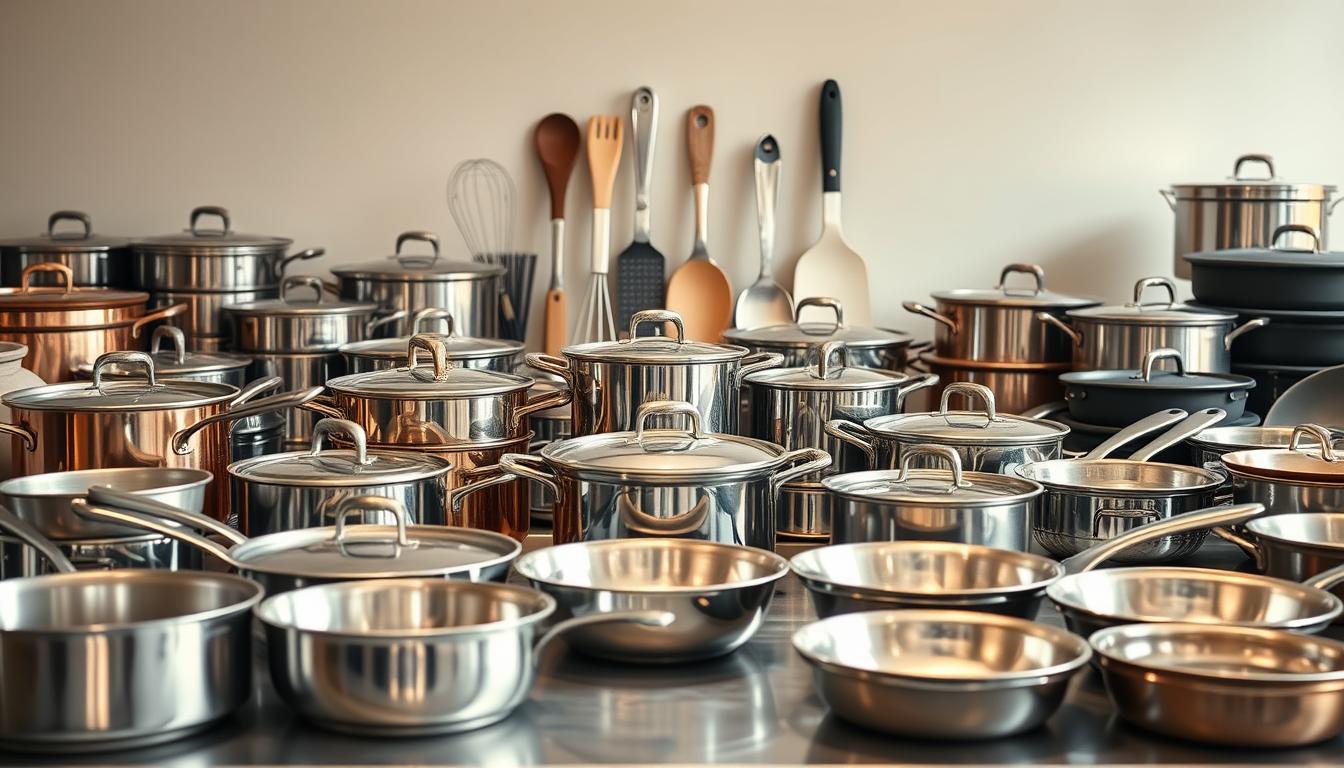
Home cookware is made to look good on a stovetop for an hour a day. Commercial kitchen cookware has to work for hours, take knocks, go through a dishwasher or three-compartment sink, and keep working. A few features set it apart:
- Heavier gauge metal. Thicker material resists warping and distributes heat more evenly.
- Riveted or welded handles. Handles that are riveted, or formed as part of the pan, tolerate daily use better than screwed-on handles.
- Straight, reinforced rims. A rolled rim stops dents and makes the pan easier to grip.
- Flat bases. A flat bottom sits properly on the burner or cooktop and makes better contact.
- Standard sizes. Common diameters and capacities make it simple to replace or add pieces later.
Commercial cookware materials compared
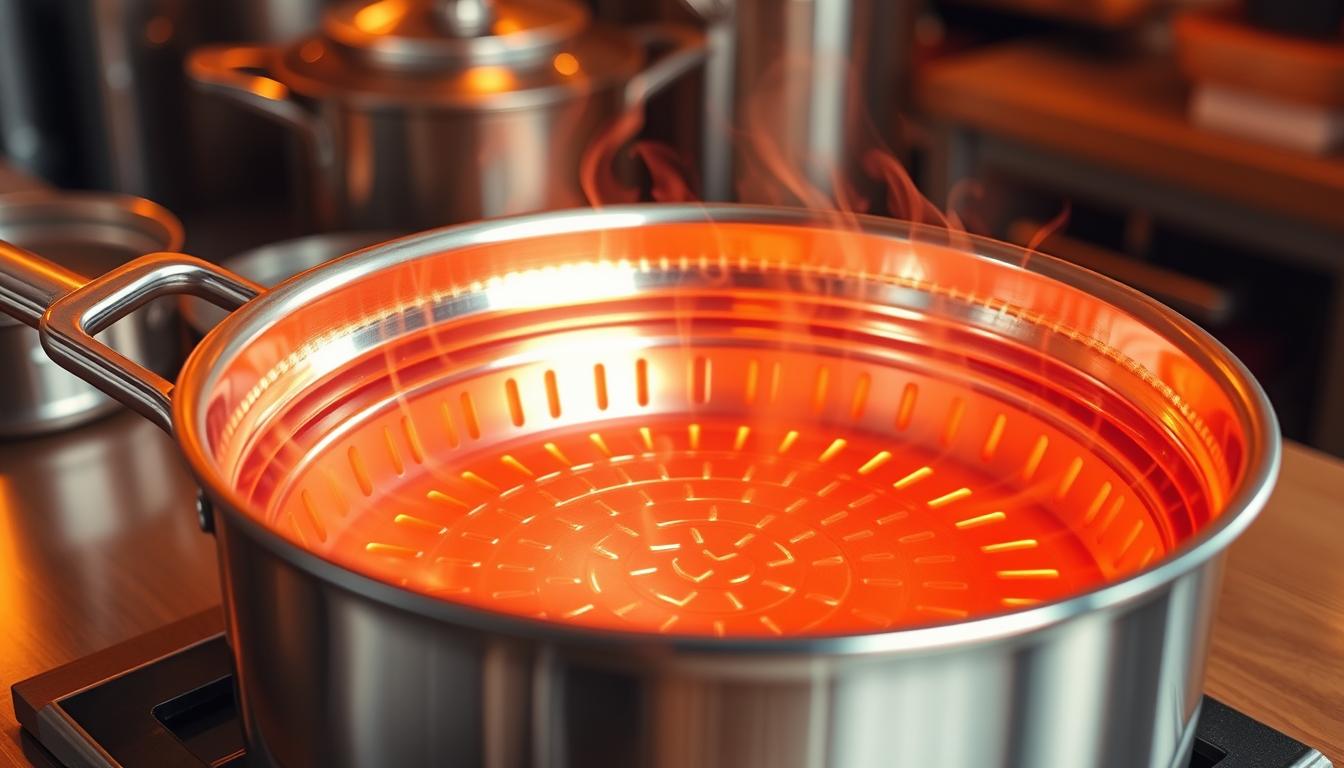
Aluminum
Aluminum is a favourite in restaurant kitchens because it conducts heat quickly, is light, and is relatively affordable. It reacts with acidic foods such as tomato sauce, which can cause discolouration or a metallic taste, so many cooks choose anodized or coated aluminum for acidic dishes. Plain aluminum is not induction compatible unless it has a magnetic base plate.
Stainless steel
Stainless steel is hard-wearing, does not react with food and looks good on the pass. By itself it conducts heat poorly, so better stainless pots and pans have a sandwiched or encapsulated base with aluminum or copper in the core. Look for this if you plan to sear, make sauces or cook delicate items. Many stainless pieces work with induction, but confirm this on the product page.
Non-stick
Non-stick pans are practical for eggs, crêpes and fish. They do not last forever; heat, metal utensils and harsh cleaning wear the coating, so most operators treat non-stick as a replaceable item. Hand-wash non-stick, avoid overheating an empty pan, and replace the pan when the coating flakes.
Cast iron and carbon steel
Cast iron holds heat extremely well and gives a strong sear. It is heavy and needs seasoning. Carbon steel is lighter, heats faster and is a staple for woks and sauté pans. Both can rust if left wet, so dry and oil them after washing.
Copper
Copper conducts heat better than any other metal and gives fast, precise control, but it is expensive and needs care. It appears in high-end kitchens more than in high-volume operations.
The cookware pieces most restaurants need
Instead of buying a set, build a list from your menu. Most kitchens end up with some version of:
- Stock pots (rated in quarts) for stocks, soups, pasta and boiling. A tall, narrow pot loses less liquid; a wider pot cools faster. Look at stock pot ranges if you cook at that scale.
- Sauce pans and sauciers in two or three sizes for sauces, rice and reductions.
- Fry pans and sauté pans in 8, 10 and 12 inch diameters for the sauté station.
- Brazier and rondeau pans for braises, large sautés and batch cooking.
- Sauce pots with lids for steaming and holding.
- Woks if your menu calls for them, with a wok-compatible burner.
- Sheet pans and food pans, which are not cookware in the strict sense but are on every line; see our food pans.
It is better to buy a few pieces well than a big set of mixed quality. Count your stations, then count your busiest night, and buy two to three of the pans used most.
Matching cookware to your cooking equipment
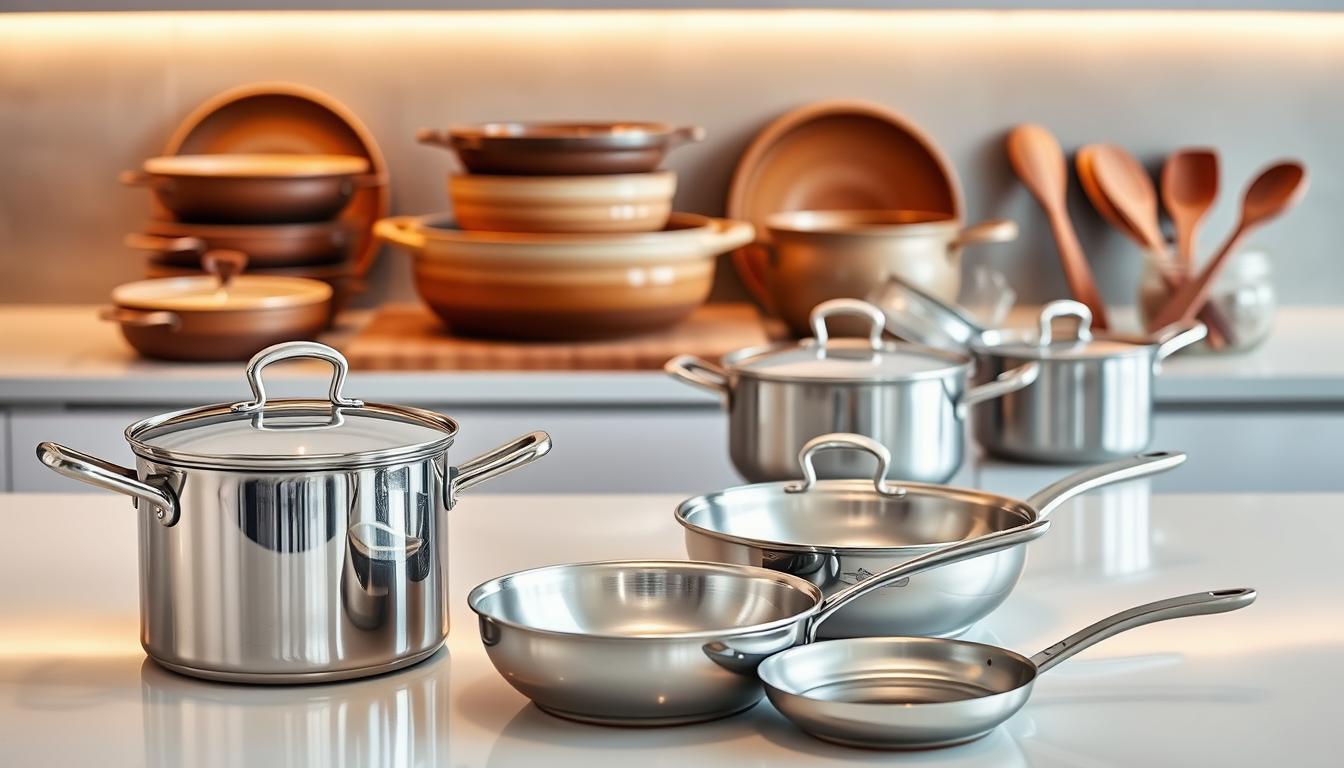
Cookware only performs if it suits the heat source. Check these points before you order.
- Gas ranges and burners: most cookware works, but a flat base and a diameter that matches the burner give the best contact.
- Electric ranges and hot plates: flat, heavy bases matter most, because warped pans lose contact with the element. Our hot plates pair with flat-bottomed pans.
- Induction cooktops: the pan must contain enough magnetic material. A simple test: if a magnet sticks firmly to the base, the pan will work on induction. Induction cooks fast and keeps the kitchen cooler, and a portable unit like the Eurodib CCI2351PH two-zone induction cooktop lets you try the style without rebuilding the line.
Mixing induction-ready and non-induction cookware in one kitchen causes confusion on a busy shift. If you are planning to move toward induction, tell our team so you can choose pans that will work with either.
Commercial cookware cost: rough market ranges in CAD
These are rough estimates and vary by brand, size and spec. They are market ranges, not Babak prices and not a quote.
- Aluminum fry pans, 8 to 12 inch: roughly $30 to $120 each.
- Stainless sauce pans with a clad base: roughly $80 to $300 each.
- Stock pots, 20 to 40 qt: roughly $100 to $500 each.
- Larger or specialty pots, braziers and clad stainless sets: often $300 and up per piece.
Request a quote for current pricing and for volume needs such as outfitting a whole kitchen.
Caring for commercial cookware
Even strong cookware fails early without basic care.
- Preheat gently. Sudden high heat warps thin pans and damages non-stick coatings.
- Let hot pans cool before washing. Plunging a hot pan into cold water can warp it.
- Use the right tools. Wooden, silicone or plastic utensils protect non-stick surfaces.
- Clean to your sanitation plan. Follow the wash, rinse, sanitize and air dry steps your health authority expects. For a three-compartment sink, see our guide to three-compartment sinks. Make sure your largest pot fits in the sink; BC health authorities, such as Interior Health, ask that each compartment can hold the largest pot.
- Store neatly. Nest pans with protectors between them and use stainless work tables or shelving at the station to keep daily tools within reach.
- Retire damaged pieces. Deep scratches, flaking coating and loose handles are safety and food hygiene issues.
Cookware and kitchen layout
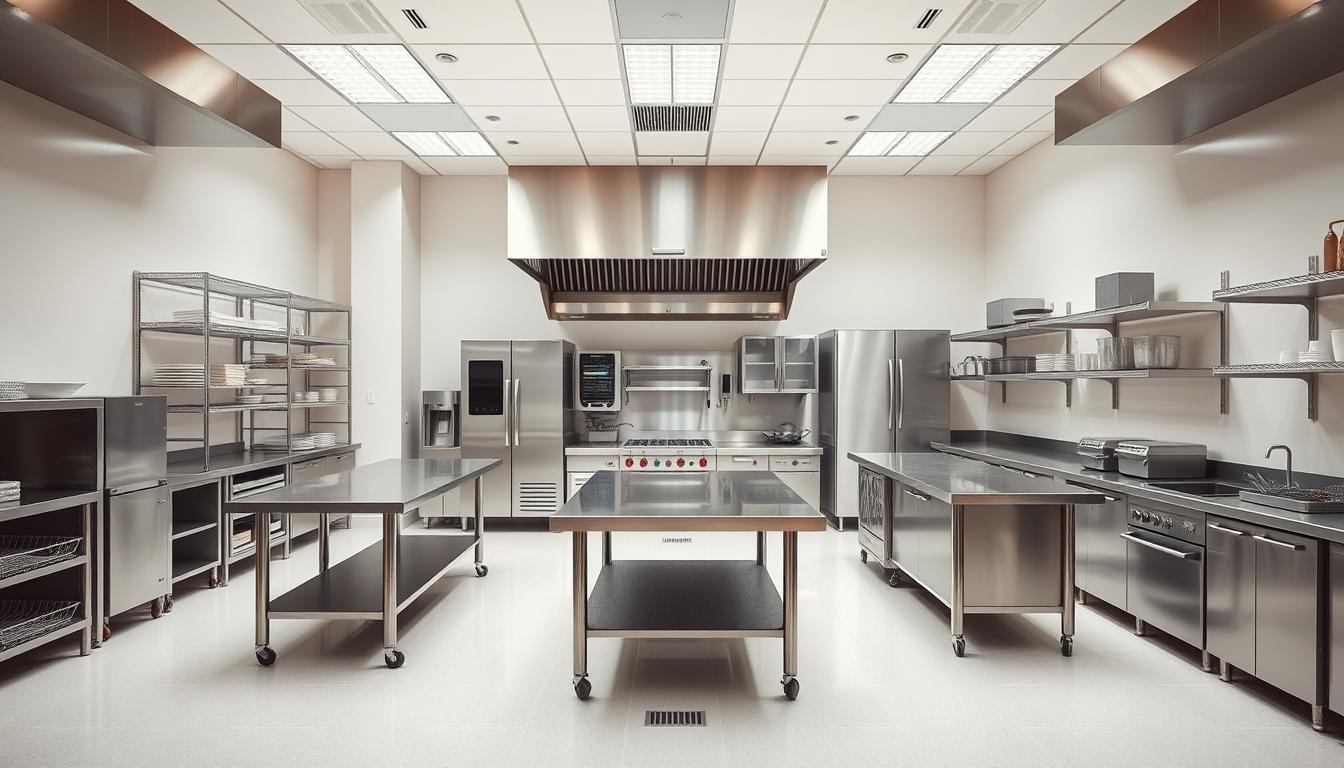
Where cookware is stored matters almost as much as what it is made of. Keep the pans for each station within an arm’s reach, hang or rack the ones used most, and store heavy stock pots at waist height so staff are not lifting them from the floor. Our post on kitchen layout goes through station planning in detail.
For related smallwares such as utensils and storage, browse our kitchen utensils and smallware.
Buying cookware in volume
If you are outfitting a new restaurant, hotel kitchen or catering operation, a single supplier for the cooking line, smallware and cookware makes planning simpler. Share your menu, your heat sources and the number of stations with our team, and we can help you put together a list that fits. If you have a specific brand, size or specification in mind for a larger order, include it in your request.
Cookware comparison table
| Material | Strengths | Watch for |
|---|---|---|
| Aluminum | Light, fast heating, economical | Reacts with acids; not induction ready unless noted |
| Stainless steel (clad) | Durable, non-reactive, often induction compatible | Needs a core layer for even heat |
| Non-stick | Easy release for eggs and fish | Coating wears; hand-wash |
| Cast iron and carbon steel | Strong sear, holds heat | Heavy; needs seasoning and drying |
| Copper | Fastest, most precise heat control | Cost and upkeep |
Frequently Asked Questions
What is the best material for commercial cookware?
It depends on what you cook. Aluminum heats quickly and suits sauté work, clad stainless steel is durable and non-reactive, non-stick helps with eggs and fish, and cast iron or carbon steel excels at searing.
Is commercial cookware different from home cookware?
Yes. Commercial pieces use heavier gauge metal, stronger handles and reinforced rims so they can handle constant use, high heat and frequent washing.
How do I know if my cookware works on induction?
Place a magnet on the base. If it sticks firmly, the pan should work on induction. Always check the manufacturer’s product description to confirm.
How much does commercial cookware cost in Canada?
As a rough estimate, fry pans start around $30 to $120, clad stainless sauce pans around $80 to $300 and stock pots around $100 to $500. These are market ranges, not Babak prices. Request a quote for current pricing.
How should I clean commercial pots and pans?
Let them cool, scrape, wash, rinse, sanitize and air dry, and follow your health authority’s sanitation requirements. Avoid harsh pads on non-stick and dry cast iron promptly.
How many pots and pans does a restaurant need?
It depends on your menu, number of stations and busiest service. Start with the pieces used most, such as sauté pans, sauce pans and stock pots, and add duplicates for peak periods.
Ready to build your cookware list? Browse our cookware, visit our Burnaby showroom at 7190 Randolph Ave, or call (604) 566-9747 to request a quote. Pricing, availability, delivery and installation are confirmed at the time of purchase.