

Blog
Commercial Ice Maker Ice Types: Which Is Best?


Commercial ice machines make several types of ice: full cube, half cube, crescent, nugget, flake and gourmet (top-hat). Each differs in shape, density, melt rate and best use, so the right ice type depends on what you are serving. Full cube and gourmet cubes melt slowly and suit cocktails, half cube is the all-rounder for beverage service, crescent flows well through dispensers, nugget is soft and chewable, and flake is for food display and blending.
This guide explains how each ice type behaves and where it works best, plus the points to check before you choose an ice machine. The different types of ice also change how much a machine produces, how it fits your dispenser and how your drinks taste, so it is worth deciding on the ice before the machine.
Full Cube Ice (Dice Cubes)
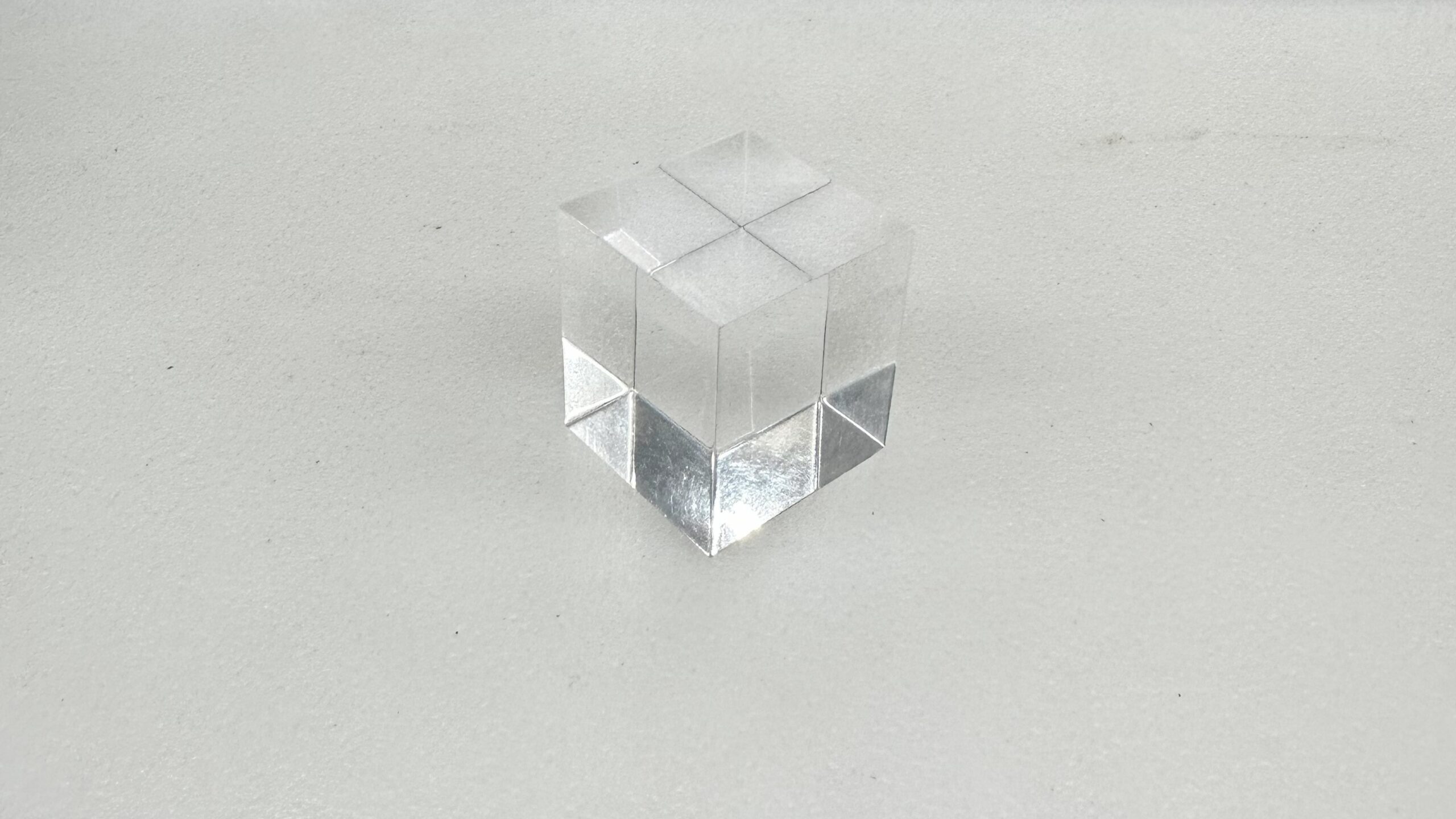
Full cube ice is a solid, square cube, often called dice ice. It is dense and slow to melt, so drinks stay cold without becoming watery quickly. That makes it a favorite in bars, hotels and any place where drinks sit for a while. Because the cubes are large, they displace less liquid than smaller ice, which means a little more beverage per glass.
Best for: cocktails, spirits on the rocks, iced tea, bar service and hotel ice rooms. Watch for: large cubes can be too big for some dispensers and cups.
Half Cube Ice (Half Dice)
Half cube ice is a smaller, rectangular cube. It packs more tightly in the glass, cools drinks quickly and works with almost every beverage dispenser. It is the most versatile commercial ice type and a common choice for restaurants, cafeterias and fast-food outlets. It melts faster than full cube because it has more surface area relative to its size.
Best for: soft drinks, water, juices, general restaurant service. Watch for: not ideal for drinks that must stay cold for a long time.
Crescent Ice
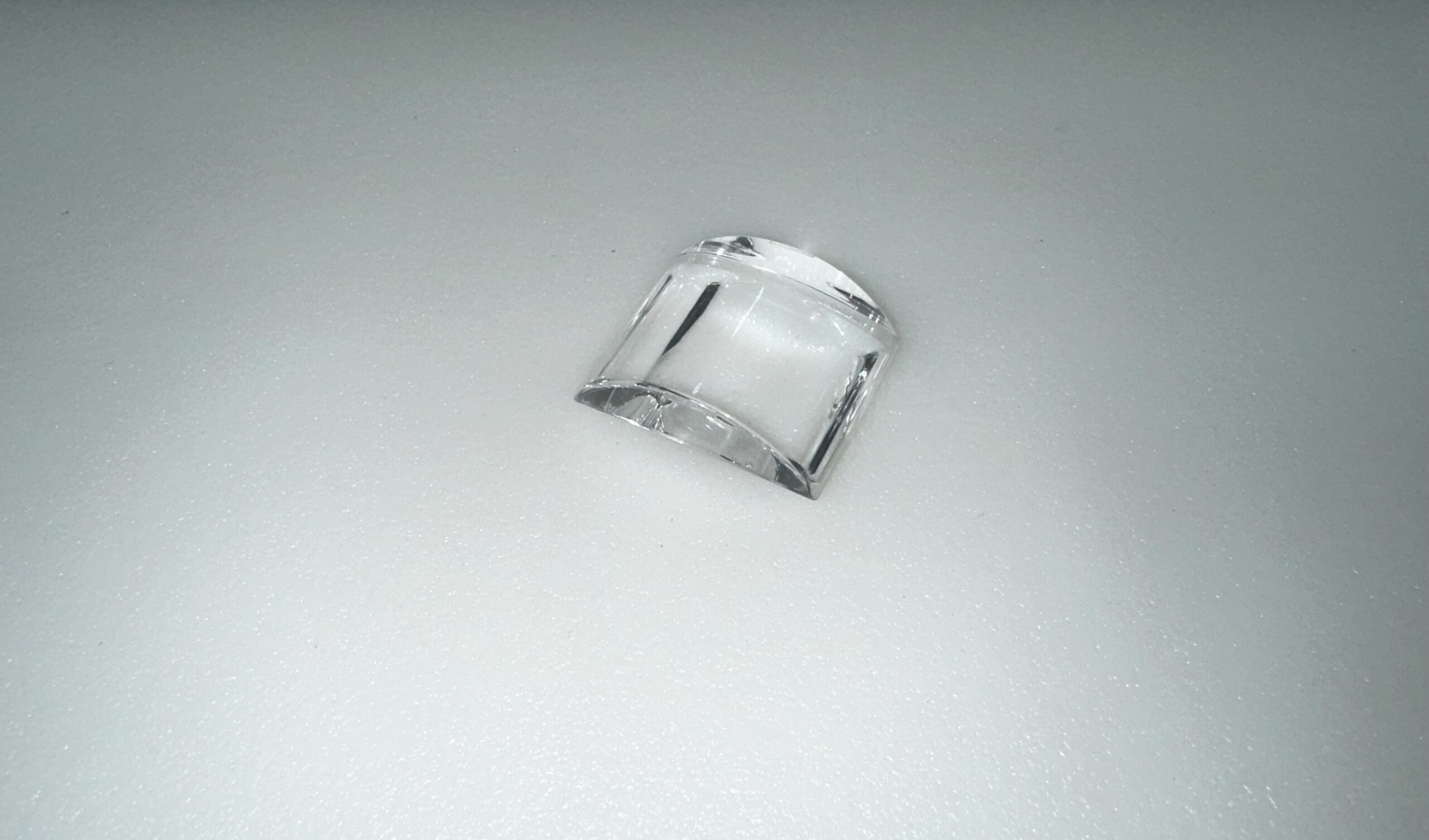
Crescent ice has a curved, half-moon shape with a flat side. The shape helps it flow through dispensers, reduces splashing in the glass and leaves space around the cube for liquid. It is popular with hotels, restaurants and bars that want a clean look in the glass. Crescent cubes melt at a moderate rate, a bit slower than half cube.
Best for: mixed drinks, soft drinks, dispensing and presentation. Watch for: make sure the machine and the bin or dispenser are compatible with the cube size.
Nugget Ice (Chewable Ice)
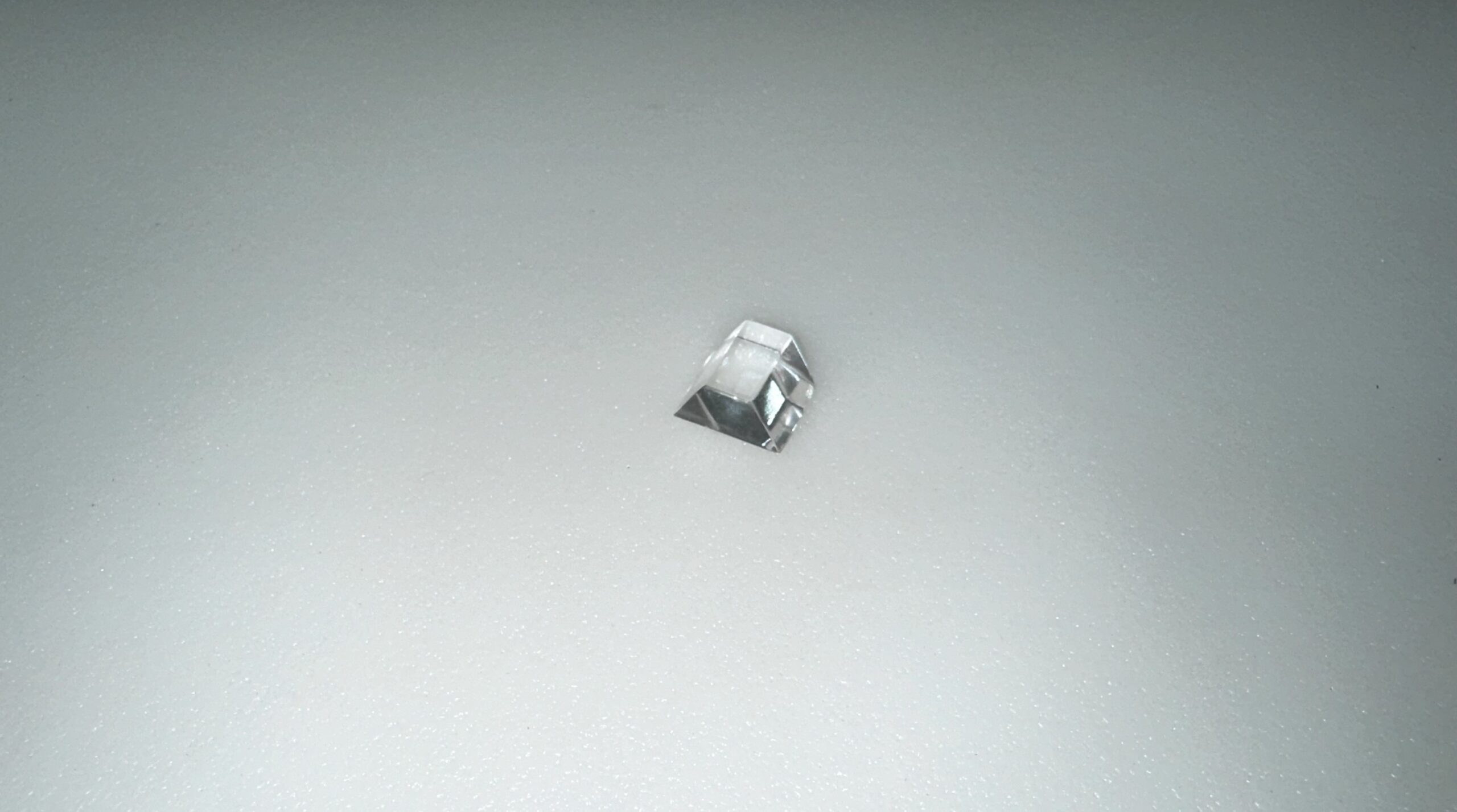
Nugget ice, sometimes called pellet or chewable ice, is made of small compressed ice flakes. It is soft, easy to chew and absorbs the flavor of the drink around it, which is why customers often ask for it by name. Healthcare facilities like it for patients, and cafes, convenience stores and quick-service restaurants use it for fountain drinks, smoothies and blended beverages.
Best for: fountain drinks, smoothies, healthcare, juice and coffee bars. Watch for: it melts relatively quickly, and nugget machines often have a lower daily output for their size, so size them for peak demand.
Flake Ice
Flake ice is soft, thin and moldable. It surrounds and cools food without damaging it, which makes it the standard for seafood and produce displays, salad bars, buffets and some healthcare uses. It is also used for blended drinks. Flake ice melts fast and is not normally used for standard drinks.
Best for: food presentation, seafood and produce displays, buffets, therapeutic uses. Watch for: keep melt water drained and treat the ice as food, with a clean scoop and a regularly cleaned machine.
Gourmet Ice (Top-Hat Cubes)
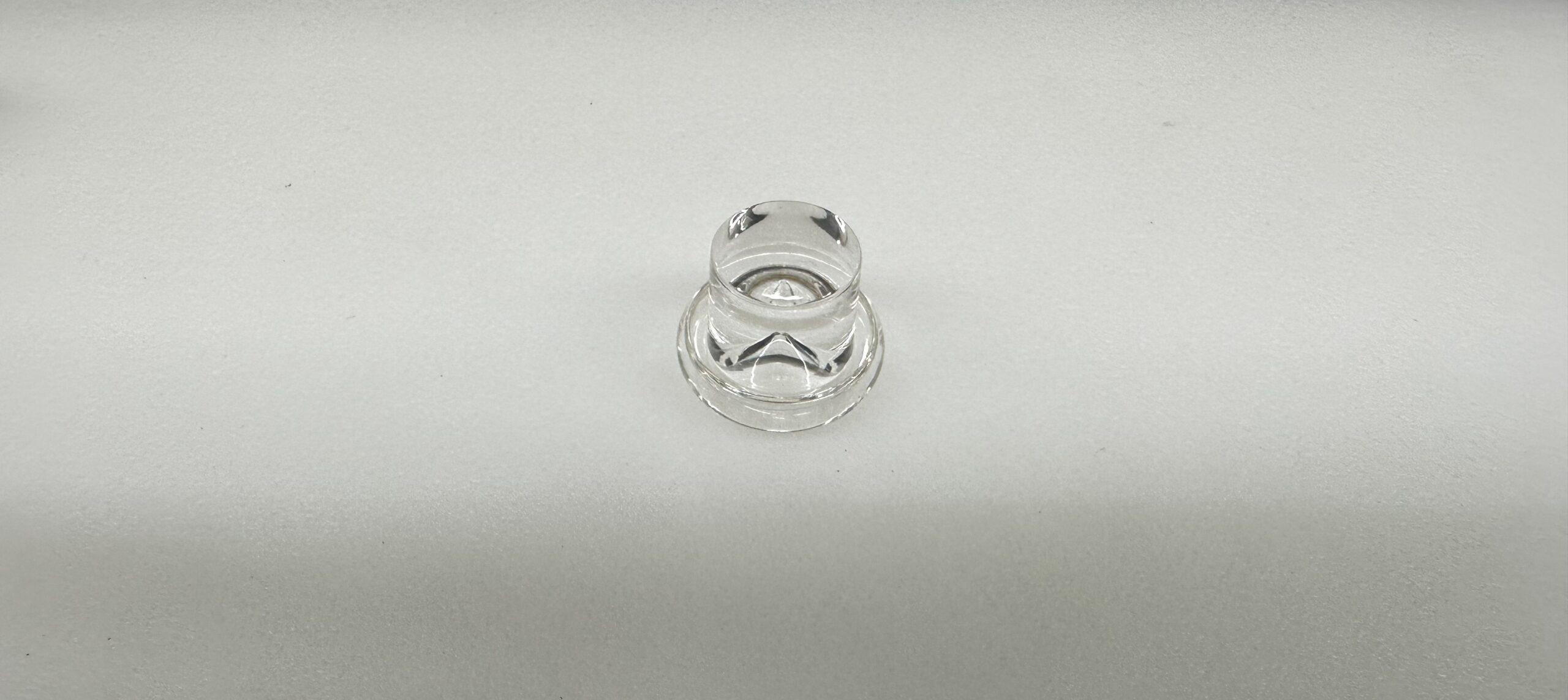
Gourmet ice, also called top-hat or octagon cubes, is a large, clear-looking, dense cube made for premium drinks. It melts slowly, so cocktails and spirits stay cold with minimal dilution. It adds to the look of a drink, so upscale bars, lounges and event venues choose it for presentation.
Best for: premium cocktails, whisky and spirits, upscale venues. Watch for: output tends to be lower than standard cube machines, so check the daily production before buying.
How to Choose the Right Ice Type
- Start with the use. Drinks that sit a long time need slow-melting ice. Blended drinks and food displays need soft ice.
- Match the dispenser. If you use a beverage dispenser, confirm which ice shapes it supports.
- Think about volume. Estimate peak ice needs per day and choose a machine with enough production. Different ice types have different output for the same size machine.
- Pick a machine style. Options include undercounter units, modular ice cubers that sit on a bin, and upright ice machines with built-in storage.
- Plan storage and dispensing. Ice bins hold modular heads, and ice and water dispensers serve self-serve or staff-served areas.
- Consider the environment. Air-cooled units need airflow and a cooler room; water-cooled units use more water. Filtration protects both the ice quality and the machine.
Babak carries a wide mix of ice machine brands and ice types, including Scotsman, Hoshizaki, Atosa and Ice-O-Matic, so you can compare nugget, flake, half cube, crescent and cube styles in one place. If you also run a bar, pair your ice with bar refrigeration, and see our wider commercial refrigeration range.
Which Ice Type Fits Your Business?
- Bars and lounges: full cube or gourmet cubes for slow dilution, with crescent or half cube for the speed rail and mixed drinks.
- Restaurants and cafeterias: half cube or crescent for water and soft drinks, with an undercounter machine at a service station if the main machine is far away.
- Quick-service and convenience stores: nugget ice for fountain drinks and slushy-style beverages, which customers tend to prefer.
- Hotels and hospitals: cube or nugget ice for guest rooms and patient care, and a machine with enough storage to handle peak demand.
- Grocery, seafood and buffets: flake ice to keep displays cold and fresh.
- Coffee and juice bars: nugget or half cube, depending on how many blended drinks you make.
Ice Type, Dilution and Drink Quality
The type of ice changes more than the look of the glass. Large, dense cubes have less surface area for their volume, so they melt more slowly and water down a drink less. Small or soft ice cools a drink quickly but adds water sooner, which is fine for a soft drink that is finished in minutes and less ideal for a whisky that sits for half an hour. Soft nugget and flake ice also fill the glass more tightly, so you use less liquid per serving, which operators with high-volume beverage programs take into account.
In BC, ice is handled as food: BCCDC guidance says all foods and beverages, including ice, must come from approved sources. Quality depends on clean water, regular cleaning of the machine and bin, and good scooping habits. Wash your hands, use a scoop rather than your hands or a glass, hold the scoop by its handle, and store it outside the machine in a sanitized container. Never return unused ice to the bin. Fraser Health also advises cleaning and sanitizing ice machines regularly because of biofilm risk, describing the routine in your sanitation plan and following the manufacturer’s instructions. Water filtration reduces scale and off tastes, and a service schedule keeps the machine running efficiently. Confirm requirements with your own health authority.
Matching Ice Type to Machine Size and Style
Ice machines are described by ice type, daily production and storage. A modular head makes ice and drops it into a separate bin, so you can scale storage to your needs. An undercounter unit makes and stores ice under a bar or counter in a single cabinet. An upright machine is a self-contained unit with built-in storage. For nugget or flake ice in healthcare or a self-serve area, a dispenser that delivers ice (and sometimes water) on demand is often the right fit. Talk to us about your daily needs, ambient temperature and available water and drain connections, and we can narrow the field.
Ice Type Comparison Table
| Ice type | Shape | Melt rate | Best uses |
|---|---|---|---|
| Full cube | Large square cube | Slow | Cocktails, bars, hotels |
| Half cube | Small rectangular cube | Moderate to fast | Soft drinks, general service |
| Crescent | Half-moon | Moderate | Mixed drinks, dispensing |
| Nugget | Small, soft, chewable | Fast | Fountain drinks, smoothies, healthcare |
| Flake | Thin, moldable flakes | Very fast | Food display, seafood, blended drinks |
| Gourmet (top-hat) | Large dense cube | Slow | Premium cocktails, upscale venues |
Frequently Asked Questions
What are the different types of ice from commercial ice machines?
The main types are full cube, half cube, crescent, nugget (chewable), flake and gourmet (top-hat) ice. Each has a different shape, density and melt rate.
Which ice type melts the slowest?
Full cube and gourmet cubes are dense and melt the slowest, which is why bars choose them for cocktails and spirits.
What is the best ice for soft drinks?
Half cube and crescent ice are the usual choices because they cool quickly, flow well through dispensers and fit standard cups.
What is nugget ice used for?
Nugget ice is soft and chewable, so it is used for fountain drinks, smoothies, healthcare facilities and cafes that want a chewable ice.
Can one ice machine make more than one type of ice?
Most machines make a single ice type. If you need two, such as cubes for the bar and flake for a display, you generally need two machines.
How do I know what size ice machine I need?
Estimate your peak daily ice use and add a margin. Nugget and gourmet machines often produce less per day than standard cube machines of similar size, so confirm production figures against your needs.
Find the Right Ice Machine
Browse our commercial ice machines by ice type, visit the Burnaby showroom at 7190 Randolph Ave, or call (604) 566-9747 to request a quote. Pricing, availability, delivery and installation are confirmed at the time of purchase.