

Blog
Commercial Deep Fryers: Types, Sizing and How to Choose


The best commercial deep fryer for your restaurant is the one that matches your menu, your volume and your utilities. Fuel type, oil capacity, recovery speed and filtration matter more than brand names or looks. This guide explains how commercial fryers differ, how to size one and what to plan for in BC before you buy.
To compare models as you read, browse our commercial fryers.
How a commercial deep fryer works
A fryer holds oil in a vat and heats it to a set temperature, usually somewhere around 175 C (350 F) for common fried foods. Food goes into a basket, cooks quickly and comes out crisp. The fryer then has to bring the oil back to temperature as quickly as possible, because cold food pulls the heat down every time you load it. That recovery speed is a main reason commercial fryers cost more than domestic ones.
Gas vs electric fryers
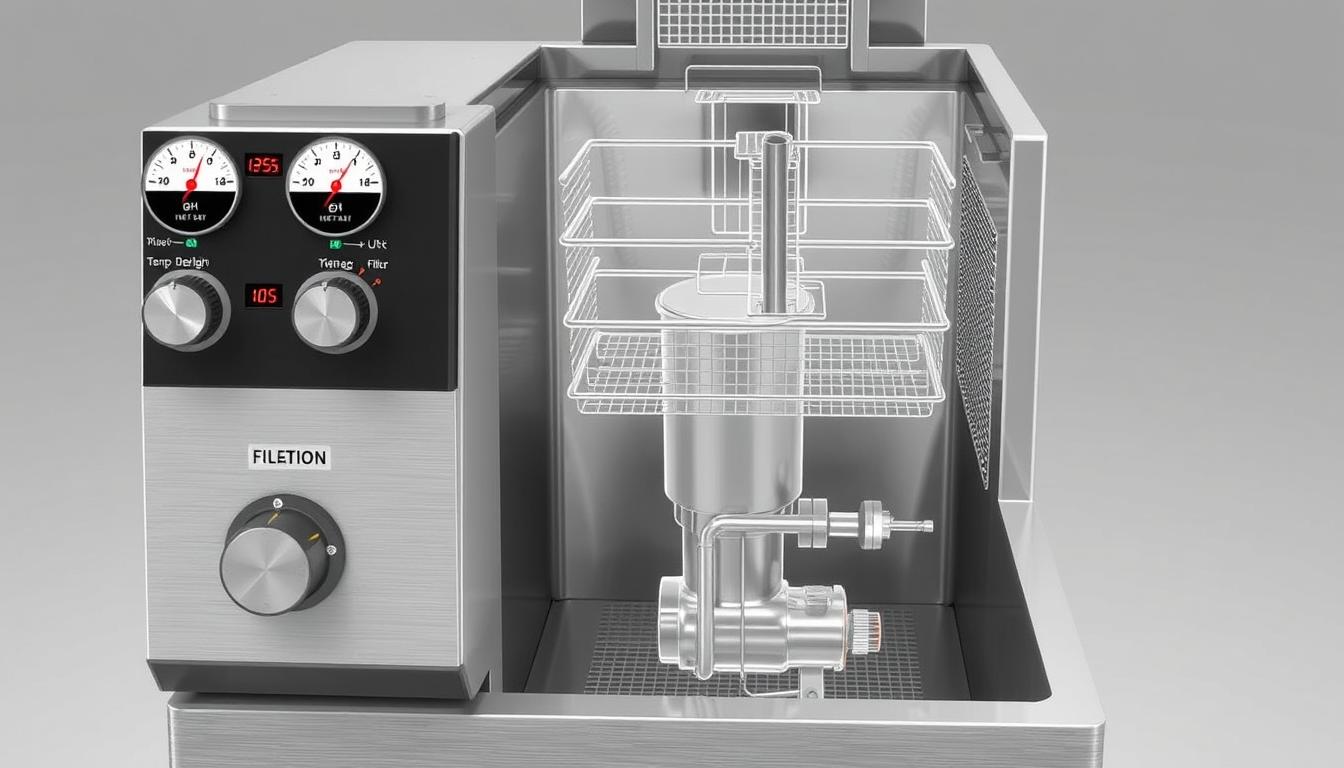
The first decision is fuel.
Gas fryers
Gas fryers heat with burners, either under the vat or through tubes inside the oil. They heat quickly and recover fast, which suits high-volume kitchens. Compare gas fryers in natural gas and propane versions. In BC, a gas appliance must carry a certification mark accepted by Technical Safety BC (or be field-approved), and the installation must be done by a licensed gas fitter under the proper permit. Commercial equipment also needs commissioning approval. If your fryer runs on propane or you plan to change fuel type, read our posts on propane deep fryers and conversion kits, and use a licensed fitter for any conversion.
Electric fryers
Electric fryers use immersed heating elements. They are easy to install where there is no gas line, can be more compact and are often more energy efficient. Their power demand is higher, so confirm voltage, phase and amperage with an electrician. See our electric fryers. Giles, a brand we sell as an authorized dealer, builds electric fryers with built-in filtration, such as the Giles GBF-50 and the GEF-400 kettle fryer.
Countertop vs floor fryers
- Countertop fryers have small vats and suit snack bars, cafés, small menus and pop-up kitchens. They save space but cannot match the output of a floor model.
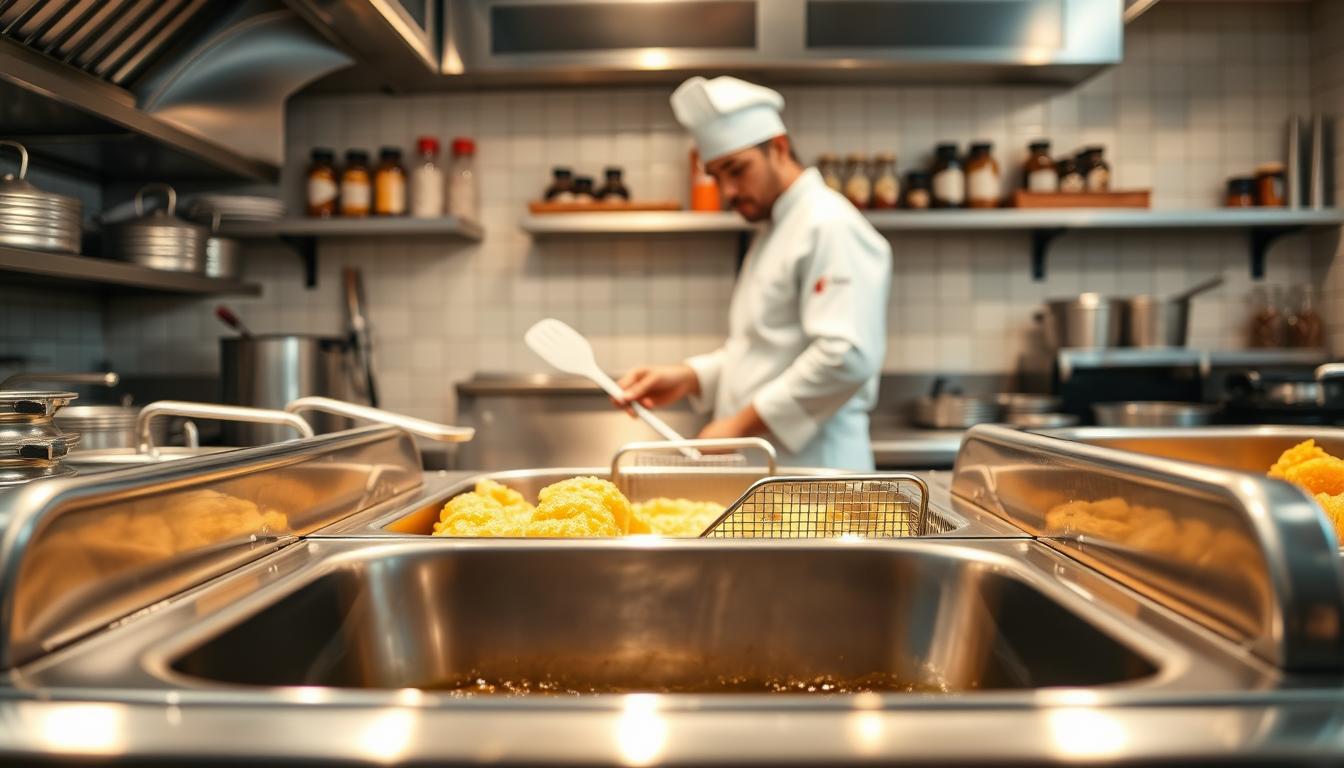
- Floor-standing fryers have larger vats, higher output and often built-in filtration. They suit restaurants where frying is a core part of the menu.
Sizing: oil capacity, output and recovery
Fryers are rated by oil capacity (for example, a 50 lb fryer holds about 50 lb of oil, the manufacturer’s rated amount). A larger vat holds more food per batch and recovers faster in absolute terms, but it also costs more to heat and to fill with oil. To size one:
- Estimate how many pounds of fried food you serve in your busiest hour.
- Compare the manufacturer’s stated output per hour for each model.
- Check recovery time or heat input (BTU or kW), because a fryer that drops in temperature produces greasy food.
- Consider how many different items you fry. Split vats let you fry fish and fries without flavor transfer.
If you fry a lot of one item, a larger single vat works. If you fry several items with different flavors or allergens, plan for a bank of two or more vats, or separate fryers. A breading table or dump station next to the bank keeps the line flowing.
Key features to compare
- Thermostat. A precise thermostat holds oil temperature steady, so food cooks consistently. Digital controls offer fine adjustment and cooking programs.
- Heat design. Tube fryers heat through tubes inside the oil with a cool zone below to catch crumbs. Open-pot fryers have a flat, easy-to-clean vat. Choose according to what you fry and how you clean.
- Cool zone. A cold zone under the heat source holds crumbs and extends oil life.
- Filtration. Built-in filtration lets staff drain, filter and return oil without lifting a hot vat. Separate oil filtration machines serve kitchens that use portable filters.
- Safety controls. A high-limit switch shuts down the heat if oil overheats.
- Construction. Stainless steel vat and cabinet are easier to clean and last longer.
- Basket lifts. Automatic lifts take the fryer basket out at the end of a timed cook, which gives consistent results and frees staff.
Ventilation and fire protection
A fryer produces grease-laden vapor, so it normally sits under a hood with grease filters and a fire suppression system. Your hood installer, your municipality and the fire authority decide what is required, including the type of hood and suppression system. Giles also makes ventless fryer hoods with built-in fire suppression, and our exhaust and hood category covers the standard options. Plan ventilation before you pick the fryer, not afterward.
Daily and weekly care
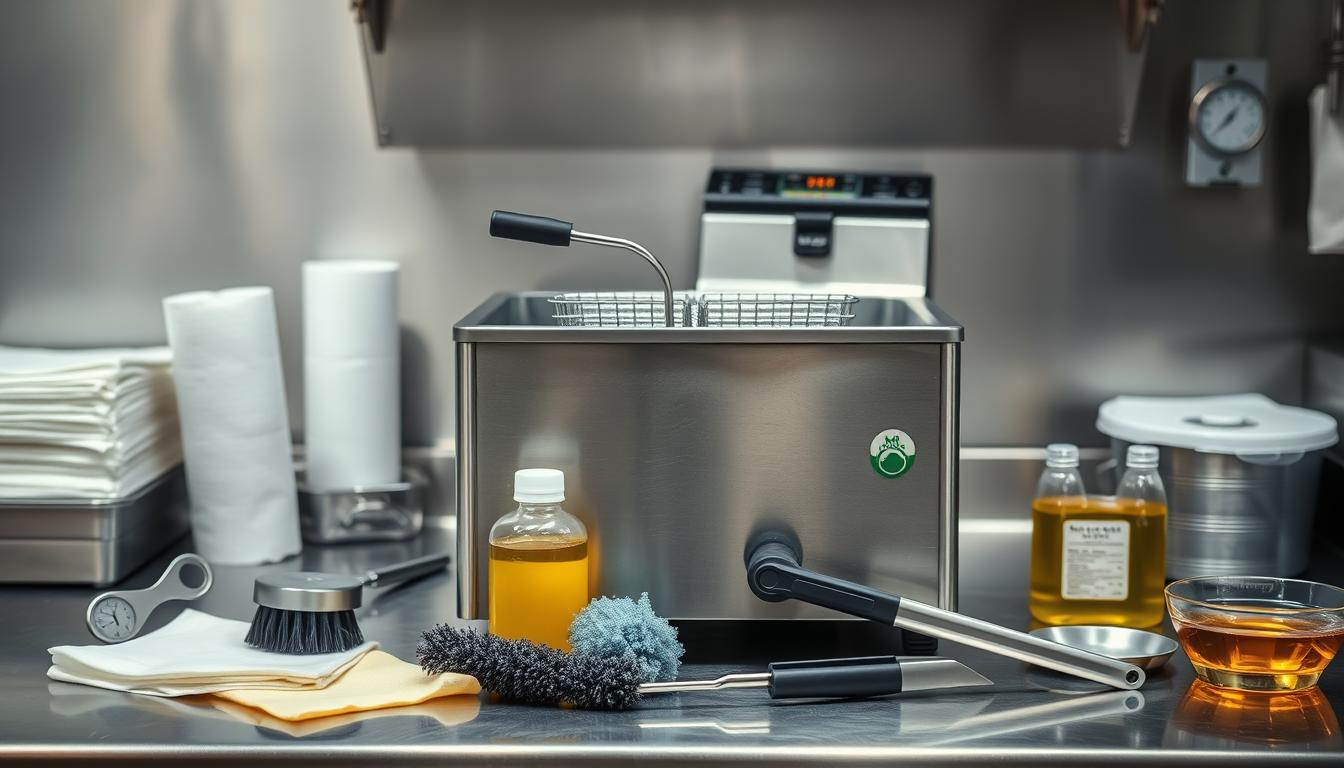
A well-kept fryer cooks better and the oil lasts longer. A routine might include:
- Daily: filter the oil, skim crumbs, top up the oil to the fill line and wipe the exterior.
- Weekly or as the manufacturer recommends: drain, clean the vat and replace oil as it darkens, foams or smells off.
- Regularly: check the thermostat against a probe thermometer, and clean the hood filters.
- Annually: have a qualified technician inspect gas or electrical connections, safety controls and the fire suppression system.
Dispose of used oil through a licensed collector, and keep grease out of the drain. Our post on grease trap and grease disposal explains how to handle it.
Safe operation
- Never add water to hot oil, and dry food before it goes in the basket.
- Keep the oil between the minimum and maximum fill lines.
- Do not overload baskets, which lowers temperature and can cause oil to bubble over.
- Use proper PPE when filtering or moving hot oil, and let it cool before draining unless the machine is designed for hot filtering.
- Train staff on shutdown, spill response and the location of fire extinguishers.
What affects cost
Fryer cost is driven by capacity, fuel, built-in filtration, controls and brand. A countertop unit costs far less than a floor bank with filtration, but the lower cost of a small unit disappears if it cannot keep up with your orders. Weigh purchase cost against oil use, energy use, labour and downtime. For a general view on budgeting, see our post on kitchen equipment costs, and request a quote for current pricing on a specific model.
Commercial fryer types at a glance
| Type | Best for | Notes |
|---|---|---|
| Countertop electric | Cafés, snack bars, low volume | Compact, simple install, lower output |
| Floor gas | High-volume restaurants | Fast recovery, requires licensed gas install |
| Floor electric | Kitchens without a gas line, efficiency focus | Needs adequate electrical service |
| Split-vat or banked | Multiple products or allergens | Separates flavors, larger footprint |
| Built-in filtration | Busy kitchens that filter daily | Faster and safer oil handling |
For more detail on choosing, read our posts on choosing a commercial deep fryer and finding the right commercial fryer.
Frequently Asked Questions
What is the difference between a gas and an electric deep fryer?
Gas fryers heat with burners and recover quickly, which suits high volume. Electric fryers use immersed elements and are easier to install where there is no gas line, but they need adequate electrical service.
What size commercial deep fryer do I need?
Estimate the pounds of fried food you serve in your busiest hour, then compare each model’s rated output and recovery time. Add a second vat if you fry products that should not share oil.
Do I need a hood over a deep fryer in BC?
A fryer normally sits under a hood with a fire suppression system, and the exact requirements depend on your municipality, fire authority and installer. A ventless fryer hood may suit some layouts. Confirm before you buy.
Can a gas fryer be converted to propane?
Conversion must be done by a licensed gas fitter under the proper permit, using the right kit for the model. Do not attempt it yourself.
How often should I change fryer oil?
It depends on volume, the food fried and how well the oil is filtered. Change it when it darkens, foams, smells off or fails a quality check. Daily filtering extends its life.
Is built-in filtration worth it?
For a kitchen that fries heavily every day, usually yes. Filtering without lifting a hot vat is safer and faster, and clean oil produces better food.
Compare commercial fryers, visit the Burnaby showroom at 7190 Randolph Ave or call (604) 566-9747 to request a quote. Pricing, availability, delivery and installation are confirmed at the time of purchase.