Blog
How Restaurant Equipment Leasing Works: Types, Terms and Tips

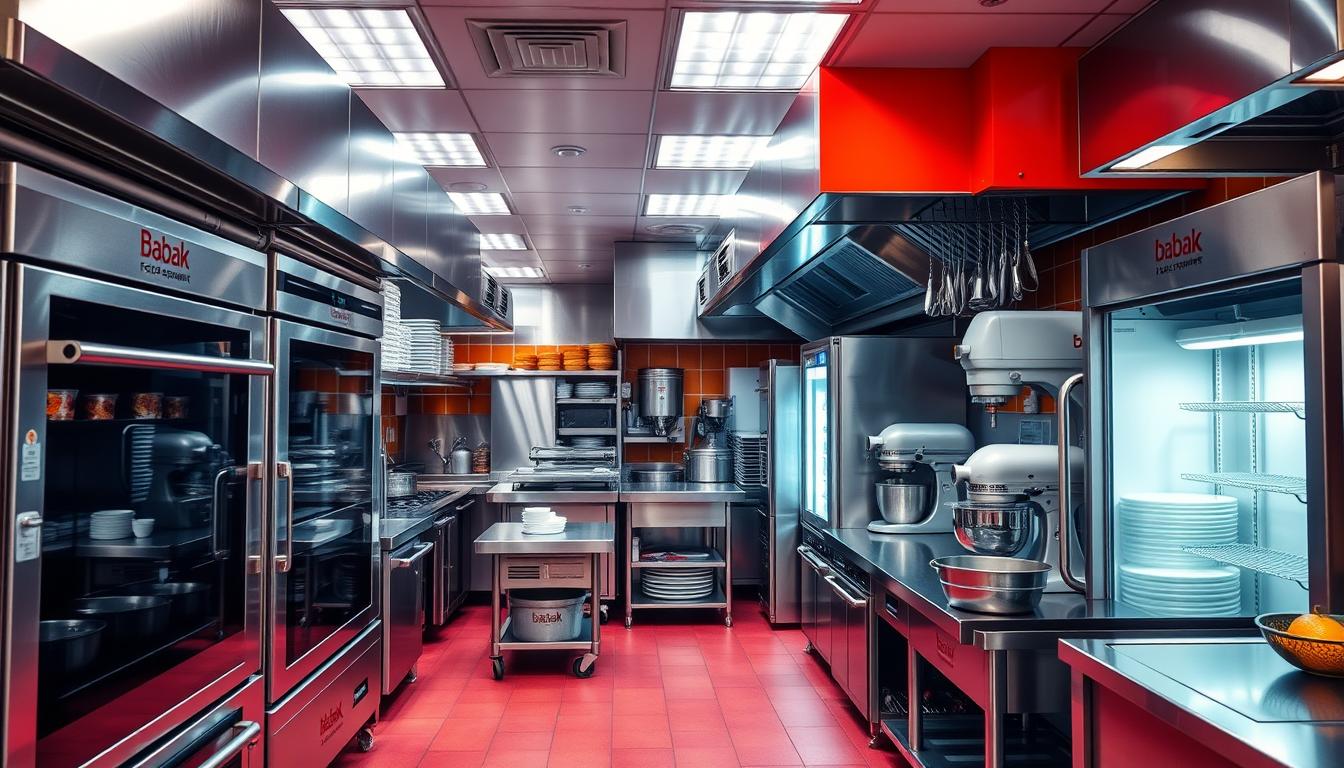
Restaurant equipment leasing lets you use commercial kitchen equipment in exchange for regular payments instead of paying the full price up front. At the end of the term you may return the equipment, renew, or buy it, depending on the type of lease. This guide explains how leasing works, the main lease types, the terms worth comparing, and how leasing differs from financing. Babak’s team can discuss leasing and financing options with you for new and certified pre-owned equipment.
If you are opening your first location, our startup leasing guide covers the first-year questions. This post goes deeper into the mechanics, so you can read any lease agreement with confidence.
How restaurant equipment leasing works
A lease is a contract between you and a leasing provider. The provider pays for the equipment, you use it, and you make payments over an agreed term. The steps are similar for most kitchens:
- Choose your equipment. Decide what you need and get a written quote with model numbers, accessories and any installation requirements.
- Apply. You provide business information and the provider reviews your application. Requirements and decisions are the provider’s, so ask what documents they will need.
- Review the agreement. Check the term, payment, buyout, fees and what happens at the end. Do not sign until you understand every line.
- Equipment is supplied and set up. Delivery, installation, gas, electrical and plumbing work have to be coordinated with your building and, in BC, with licensed trades where required.
- Make payments. Payments are usually monthly for the length of the term.
- End of term. Depending on the lease, you return the equipment, renew the lease or buy the equipment.
Types of equipment leases
Fair market value (FMV) lease
With an FMV lease, payments are based on the portion of the equipment’s value you use during the term, so payments are typically lower. At the end you can generally return the equipment, renew, or buy it at its then-current market value. It suits equipment you may want to upgrade, such as ovens, coffee machines or technology-driven units.
Lease-to-own (buyout or capital lease)
A lease-to-own arrangement is built so you end up owning the equipment, often for a small fixed buyout. Payments are generally higher than an FMV lease because you are paying down most of the equipment’s value. It suits long-life equipment such as refrigeration, ranges and stainless steel that you plan to keep for years. People searching for a lease to keep restaurant equipment or lease-to-own commercial kitchen equipment usually want this style.
Short-term rental
Some equipment can be rented for events, seasonal patios or a trial period. This is a different product from a lease, with shorter commitments, and it is usually more expensive per month. Ask our team whether it is an option for the equipment you have in mind.
Sale and leaseback
If you already own equipment, some providers can buy it from you and lease it back, which releases cash. Terms vary widely, so compare it with other ways of raising working capital before you decide.
Terms to compare before you sign
Two leases with similar monthly payments can cost very different amounts. Compare these items side by side.
- Term length. Terms commonly run from two to five years. Longer terms lower the payment but increase the total paid, and the term should not outlast the useful life of the equipment.
- Payment structure. Check whether payments are fixed or can change, and whether the first and last payments are due at signing.
- End-of-term options. Is the buyout a fixed amount or the market value? Is renewal automatic? What notice do you need to give to return the equipment?
- Deposits and down payment. Understand what is due on day one.
- What is included. Ask whether delivery, installation and accessories can be part of the lease or must be paid separately.
- Early termination. If your plans change, what does it cost to end the lease early?
- Maintenance and repairs. In most leases you are responsible for care, repairs and keeping the equipment in working order.
- Insurance. You will usually need to insure the equipment, so ask about coverage requirements.
- Personal liability. Some agreements require owners to take on personal liability. Know what you are signing.
- Fees and taxes. Ask how GST and PST apply to the payments and the buyout, and confirm the answer with your accountant.
- Used equipment. Ask whether the provider will include certified pre-owned equipment and how it is treated at the end of the term.
Lease vs finance: what is the difference?
People often use the words interchangeably, but they are not the same.
- With a lease, the provider owns the equipment during the term. You pay to use it and decide at the end whether to keep it.
- With financing or an equipment loan, you own the equipment from the start and repay the amount borrowed over time. The equipment is often security for the loan.
Lease-to-own sits in between: you pay like a lease but are set up to own at the end. Our financing overview looks at the financing side in more detail. For tax treatment, depreciation and balance-sheet effects, speak to your accountant before choosing, because the best structure depends on your business.
Is leasing the right choice for you?
Leasing tends to suit you when:
- You want to keep cash available for rent, payroll, inventory and marketing during the first year.
- You expect your needs to change and want the option to upgrade.
- You want to spread the cost of a large package, such as a full kitchen of cooking equipment, refrigeration and dishwashing equipment.
- You need bar or beverage gear such as bar refrigeration or ice machines and prefer smaller regular payments.
Buying outright may be better when you have the cash, you plan to keep the equipment for its full life, or you can negotiate a better price in return for paying up front. Many restaurants do both: lease the largest items, buy the smaller ones outright, and add certified pre-owned equipment where it makes sense.
Leasing for different types of businesses
- Restaurants and cafes: kitchen lines, prep tables and ovens. Combine lease payments with your realistic monthly revenue forecast.
- Bars and pubs: ice, glass chillers, beer dispensers and back bar units. Our category pages for beer dispensers and glass chillers show what is available.
- Caterers and food trucks: portable cooking and holding equipment. Check that the lease allows moving the equipment, since many contracts specify a location.
- Bakeries: bakery ovens, mixers and dough prep, often long-life items suited to lease-to-own.
How to compare two lease offers
Write out the full cost of each offer, not just the monthly figure. Use this checklist when you put two offers side by side.
| What to compare | What to ask | Why it matters |
|---|---|---|
| Total cost over the term | What do all payments, fees and taxes add up to? | A lower monthly payment can still cost more overall. |
| End-of-term cost | Is the buyout fixed or based on market value? | It decides what keeping the equipment really costs. |
| Flexibility | Can you return, renew or buy, and with how much notice? | Your plans for the equipment may change. |
| What is included | Are delivery, installation and accessories part of the lease? | Separate costs add to your opening budget. |
| Early exit | What happens if you end the lease early? | Closing or relocating can trigger charges. |
| Your responsibilities | Who handles repairs, insurance and personal liability? | These shape your risk over the full term. |
Compare the answers in writing and review them with your accountant. Approval, rates and terms are set by the leasing provider, and nothing here represents a Babak quote or lease.
Talking to Babak about leasing
Babak’s team can discuss leasing and financing options for both new and certified pre-owned equipment. The practical way to begin is to request a quote for the equipment you want, so you have exact models and totals. From there we can talk through the options available for your project. Approval, rates and terms are set by the leasing provider, so we do not promise any specific outcome.
Before you call, have the following ready: your equipment list, an estimated opening date, your business structure and a rough budget. For ideas on planning the whole budget, read our commercial kitchen cost guide.
Frequently Asked Questions
How does restaurant equipment leasing work?
A leasing provider pays for the equipment, you make regular payments over an agreed term, and at the end you return, renew or buy the equipment depending on the lease type. Babak’s team can discuss leasing and financing options with you.
What are the main types of restaurant equipment leases?
The common types are fair market value leases, with lower payments and a market-value buyout, and lease-to-own arrangements, where you pay more each month but own the equipment at the end, often for a small fixed buyout. Short-term rental and sale-leaseback exist as well.
What is the difference between leasing and financing restaurant equipment?
With a lease, the provider owns the equipment during the term and you decide at the end whether to keep it. With financing or a loan, you own the equipment from the start and repay the amount borrowed. Ask your accountant which fits your business.
What terms should I compare in an equipment lease?
Compare the term length, monthly payment, buyout at the end, deposits, early termination, who handles maintenance and insurance, any personal liability and how taxes apply. Compare the total cost, not just the monthly payment.
Can I lease used or certified pre-owned restaurant equipment?
Often yes, but it depends on the provider and the equipment. Ask our team whether certified pre-owned items can be included in your leasing or financing discussion.
How long are restaurant equipment lease terms?
Terms commonly run from about two to five years. Choose a term that does not outlast the useful life of the equipment and that fits your cash flow.
Want to talk through your options? Browse the equipment you need, visit the showroom at 7190 Randolph Ave, Burnaby, or call (604) 566-9747 to request a quote and speak with our team about leasing and financing. Pricing, availability, delivery and installation are confirmed at the time of purchase.