Blog
Leasing Used Restaurant Equipment: What to Know Before You Sign


Leasing used restaurant equipment means paying for the use of a pre-owned oven, refrigerator or prep line over a set term instead of paying the full amount up front. It can bring a lower entry cost than leasing new, and it keeps cash available for the other costs of opening. It also has details that new-equipment leases do not, because a used machine has a history and a remaining service life. This guide explains how it works, what to inspect and which questions to ask before you sign.
Our team can discuss leasing and financing options for equipment from our used restaurant equipment selection. This page covers the concepts so you arrive prepared.
How leasing used equipment works
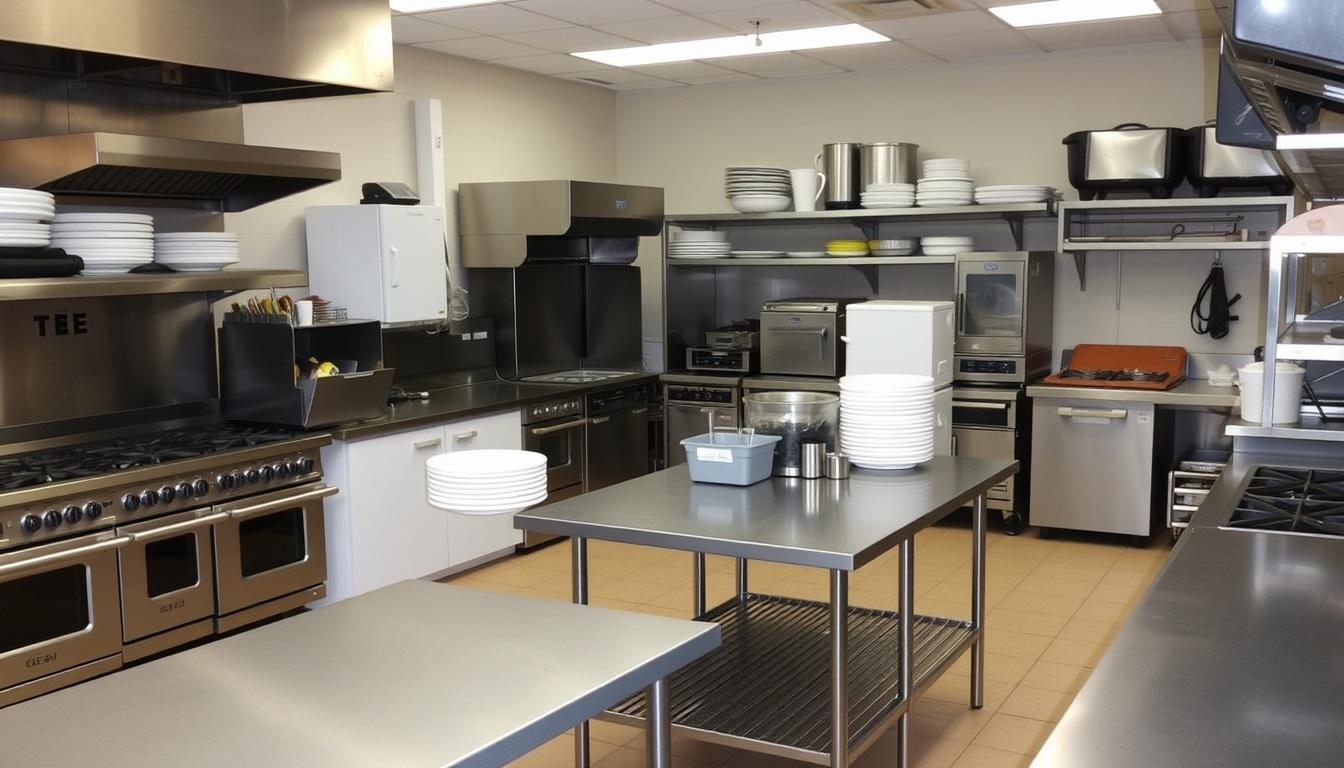
In a lease, a finance company buys the equipment and you make regular payments to use it for an agreed term. At the end, depending on the structure, you may return it, renew the lease or buy it. Used equipment follows the same process, with two differences. The lessor looks at the age and condition of the equipment because that sets its remaining value. And the term is often shorter than for new equipment, because the useful life left in the machine is shorter.
Common structures include:
- Fair market value lease: lower payments, with an option to buy at the market value at the end of the term.
- Buyout lease: higher payments, with a fixed, small purchase option at the end so you end up owning the equipment.
- Rental or short-term arrangements: for seasonal operations or a trial period.
Terms, rates and approval depend on the finance partner and your business profile. Ask for every figure in writing, and have your accountant review the treatment of payments for tax and accounting purposes.
When leasing used equipment makes sense
- You are opening a new restaurant and want to preserve cash for build-out, inventory and payroll.
- You need several pieces at once, such as a refrigeration and cooking line, and want one payment schedule.
- You want to keep the cost of an experiment low, for example a new concept or a new menu category.
- The equipment is durable and holds up well when pre-owned, such as stainless steel tables, shelving, sinks and many cooking appliances.
It makes less sense for items with short working lives or heavy wear, such as small electric appliances, or if you plan to keep an item for a decade and can buy it outright. Compare the total cost of leasing with buying, not only the monthly payment.
Used, certified pre-owned and new compared
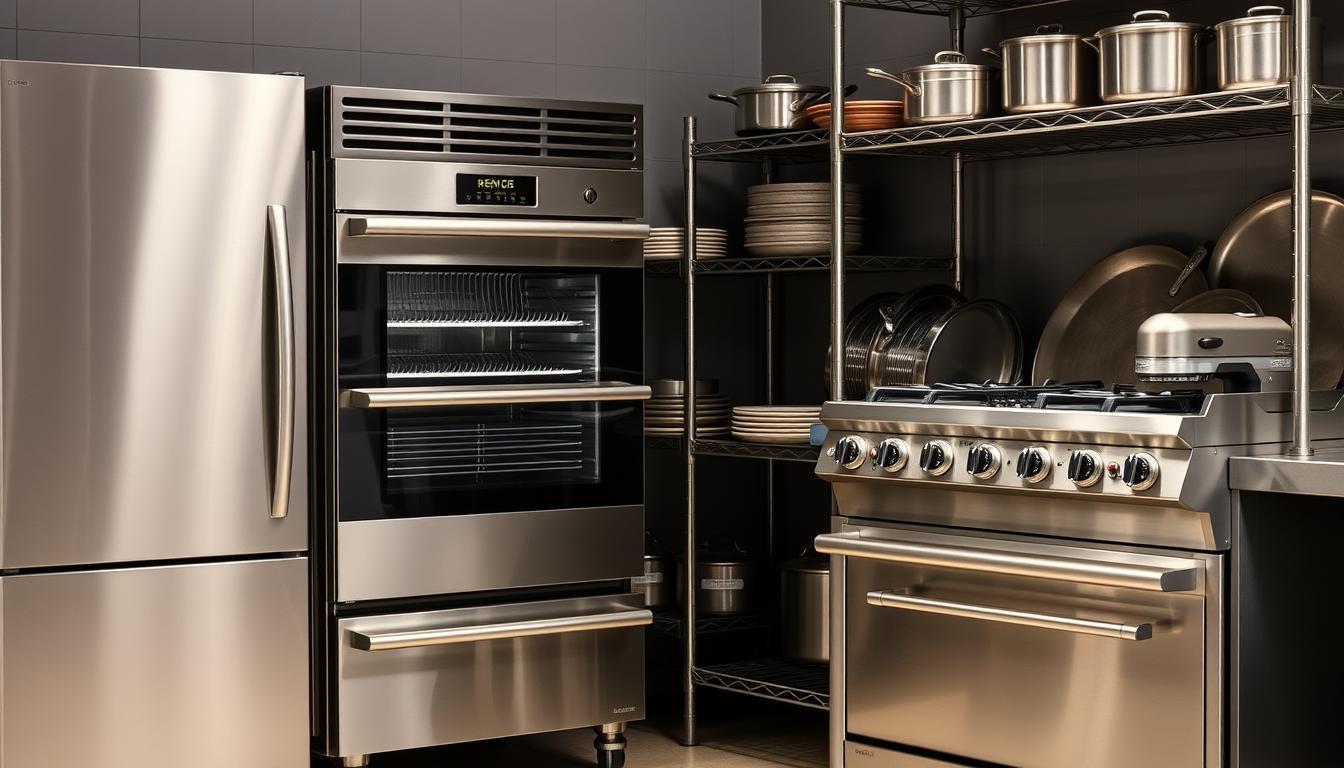
Not every used machine is equal. Equipment that has been inspected and tested before sale is a different proposition from one sold as-is. When Babak lists its own used stock, it is described as certified pre-owned. Look for the same standard wherever you buy: a documented inspection, a clear description of age and condition and a clear explanation of what is and is not covered.
For help weighing the options, read our guides on what to buy used versus new and buying used restaurant equipment in Vancouver.
Inspection checklist before you lease
Whoever the lessor is, you are responsible for using the equipment, so inspect it first:
- Age and hours of use. Ask for the model, serial number and age. Look up the manufacturer’s data plate.
- Cosmetic and structural condition. Check for dents, rust, cracks, bent racks and worn seals or gaskets.
- Function test. See the equipment run. Check heating, cooling, motors, controls and safety switches.
- Refrigeration. Confirm it reaches and holds temperature, the compressor is quiet and the doors seal. In BC, cold food must be held at 4 C (39 F) or colder, so a unit that struggles is not a bargain. See our used commercial refrigeration.
- Gas and electrical. Make sure gas appliances carry an accepted certification mark and that a licensed gas fitter handles installation. Electrical equipment should carry a recognized certification mark.
- Parts and service. Ask if parts for that model are still made and who can service it.
- Utilities and fit. Confirm voltage, gas type, dimensions and clearances for your space.
Questions to ask the lessor
- What is the total cost over the full term, including fees and any end-of-term payment?
- What happens at the end: return, renew or purchase option?
- Who is responsible for repairs, maintenance and insurance during the lease?
- What happens if the equipment fails or is damaged?
- Is there a penalty for ending the lease early?
- Can I add equipment to the lease later as the business grows?
Used restaurant furniture vs kitchen equipment
People searching for used restaurant furniture are often looking for dining-room tables, chairs and booths. Babak focuses on commercial kitchen equipment and the stainless steel tables, shelving and storage that support it. If you need front-of-house furniture, plan that as a separate purchase, and treat kitchen equipment as the core of your lease. Our stainless work tables and shelving are the pieces most likely to fit both.
How to prepare your application
Finance partners usually look at the business and its owners. Be ready with:
- A business plan or concept summary for a new restaurant.
- Recent financial statements for an existing business.
- A clear equipment list with quotes.
- Proof of identity and business registration.
Approval is never certain and depends on the finance partner. Our post on restaurant equipment leasing explains the process in more detail, and leasing for startups covers the first-year decisions.
Which used equipment suits a lease
Durable, simple equipment tends to hold its value and its working order, which makes it a better match for a lease. Stainless steel work tables, shelving, sinks, ranges, griddles, fryers and reach-in refrigerators are common examples. Machines with many electronic parts or a lot of wear, such as some food processors and espresso machines, deserve a closer inspection and a clear understanding of who handles repairs. Ask about the model’s age, and whether the manufacturer still supports it.
After approval: delivery and setup
Once a lease is approved, plan the installation as you would for new equipment. Confirm the delivery route and doorway widths, have your electrician and gas fitter ready, and check that your ventilation, plumbing and floor space are prepared. Gas appliances need a licensed gas fitter and a permit in BC, and commercial equipment needs commissioning approval before use. Keep a record of the serial numbers and the condition on delivery, and check that everything works before you accept it.
Lease and purchase paths compared
| Option | Upfront cost | Ownership | Good fit |
|---|---|---|---|
| Lease used equipment | Lower | Depends on lease type | New openings, tight cash flow |
| Buy used equipment | Moderate | Yours immediately | Durable items you plan to keep |
| Lease new equipment | Moderate | Depends on lease type | Equipment where efficiency matters |
| Buy new equipment | Highest | Yours immediately | Long-term core equipment |
Frequently Asked Questions
Can I lease used restaurant equipment?
Yes, many finance partners lease used equipment. Terms depend on the age and condition of the machine and on your business profile. Our team can discuss leasing and financing options.
Is leasing used equipment cheaper than leasing new?
Often the upfront and monthly cost is lower, but the term may be shorter and the remaining service life is shorter too. Compare the total cost over the whole term, not only the payment.
What should I inspect before leasing used equipment?
Check age, condition, function, refrigeration performance, gas and electrical certification marks, parts and service support, and whether the unit fits your utilities and space.
Does Babak sell certified pre-owned equipment?
Babak describes its own used stock as certified pre-owned. Browse the used restaurant equipment category to see current listings.
Can I lease used restaurant furniture?
Babak focuses on commercial kitchen equipment, including stainless steel tables, shelving and storage. For dining-room furniture, check with specialist furniture suppliers.
Are lease payments tax deductible?
Tax treatment depends on the lease structure and your business, so speak with your accountant before you sign.
Browse our used restaurant equipment, visit the Burnaby showroom at 7190 Randolph Ave or call (604) 566-9747 to request a quote and ask about leasing and financing options. Pricing, availability, delivery and installation are confirmed at the time of purchase.