A dependable commercial mixer is the workhorse behind bread, pizza dough, batters, icings, mashed potatoes and sauces. Babak Food Equipment offers countertop mixers, planetary mixers and spiral dough mixers for bakeries, pizzerias, restaurants, cafés, hotels and institutional kitchens across Vancouver and British Columbia – from trusted brands such as Hobart, Globe, Eurodib and Thunderbird, in sizes from small countertop units to large floor models.
Types of commercial mixers
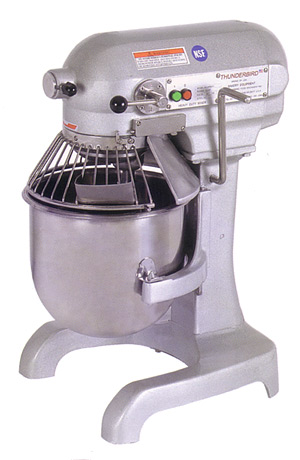
Countertop mixers
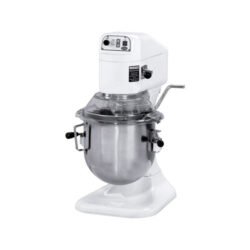
Countertop mixers are compact planetary mixers, typically in the 5–10 quart range, that sit on a work table. They suit cafés, small bakeries and restaurants that mix small batches of batter, whipped cream, frosting and dressings, and they usually run on a standard 120V outlet.
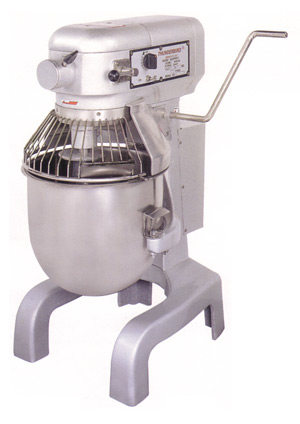
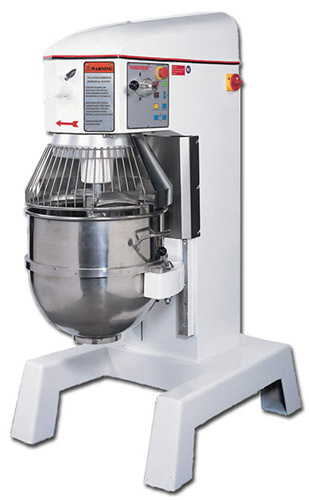
Planetary mixers
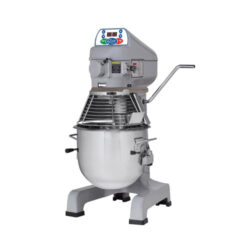
Planetary mixers turn the beater on its own axis while it travels around the bowl, so they reach every part of the mix. With interchangeable flat beaters, wire whips and dough hooks, one machine can whip, cream, blend and knead. Bench and floor models range from about 10 to 80 quarts or more, and many have an attachment hub for a vegetable slicer or meat grinder. This is the most versatile choice for restaurants, hotels and general bakeries.
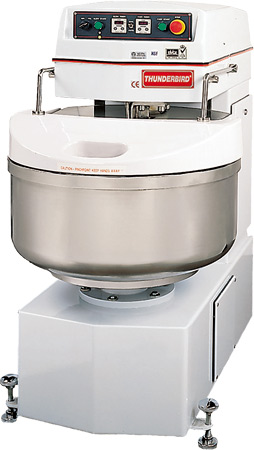
Spiral mixers
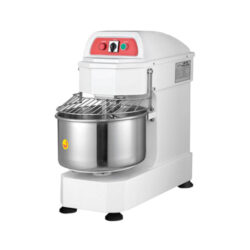
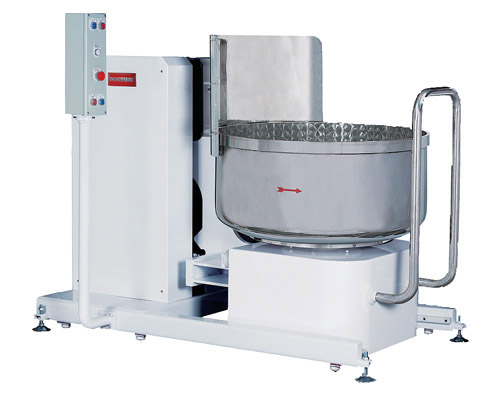
Spiral mixers are dedicated dough mixers. A spiral hook spins while the bowl also rotates, kneading dough gently and quickly with less friction heat. They are the preferred commercial dough mixer for pizzerias and bread bakeries that mix large batches of bread, pizza and bagel dough every day.
How to choose a commercial mixer
Product mix: if you mix a bit of everything, a planetary mixer is the flexible option. If most of your volume is bread or pizza dough, a spiral mixer kneads better and handles heavier batches.
Bowl size vs. batch size: a 60 qt dough mixer does not hold 60 quarts of stiff dough. Manufacturers publish capacity charts by product – heavy, low-hydration dough can cut the usable batch to well under half the bowl volume.
Dough hydration: check the absorption ratio (water weight divided by flour weight) of your recipes. Doughs under about 50% absorption are hard on a mixer, so size up for pizza and bagel dough.
Power supply: small mixers usually run on 120V; larger floor models often need 208–240V single-phase or three-phase power. Confirm what your kitchen has before you choose.
Drive and controls: gear-driven transmissions, multiple fixed speeds, a timer and a bowl guard with safety interlock all matter for heavy daily use.
Space and cleaning: allow room to lower the bowl and roll a bowl truck in and out, and look for removable guards and stainless bowls that are easy to wash.
Spiral vs. planetary: which dough mixer do you need?
A planetary mixer is the all-rounder: it whips egg whites, creams butter and kneads moderate batches of dough. A spiral mixer does one job – dough – but does it faster, more gently and in larger batches, so the dough stays cooler and develops better gluten. Many bakeries run both: a spiral for bread and pizza dough, and a planetary for batters, fillings and icings.
Why buy your commercial mixer from Babak Food Equipment?
Babak Food Equipment has been equipping kitchens for more than 20 years and holds a 4.9★ Google rating from 380+ reviews. We are an authorized dealer for Thunderbird mixers, and our team can help you compare bowl sizes, match a mixer to your recipes and check your power requirements. Delivery and installation options are available across BC – details and costs are discussed when you order. Looking to save? Ask about certified used restaurant equipment.
Commercial mixer types at a glance
TypeTypical sizeBest forCountertop mixerAbout 5–10 qtCafés, small batches of batter and icingBench planetary mixerAbout 10–20 qtRestaurants, small bakeriesFloor planetary mixerAbout 30–80+ qtHotels, institutions, high-volume bakeriesSpiral mixerAbout 20–130 kg (45–285 lb) of doughPizzerias and bread bakeries
Frequently asked questions
What is the difference between a planetary mixer and a spiral mixer?
A planetary mixer moves its attachment around a stationary bowl and can whip, beat and knead. A spiral mixer uses a fixed spiral hook with a rotating bowl and is built specifically for kneading dough in larger batches.
What size commercial mixer do I need?
Start with your largest regular batch and the type of product. Use the manufacturer’s capacity chart – stiff doughs need a much bigger bowl than batters – and leave some capacity to spare for busy days.
Can a planetary mixer make pizza dough?
Yes. Planetary mixers with a dough hook handle pizza dough well in moderate quantities. For large daily dough production, a spiral mixer is usually faster and easier on the machine.
Do commercial mixers need three-phase power?
Not always. Countertop and many bench mixers run on 120V, while larger floor and spiral mixers often need 208–240V single-phase or three-phase power. Check the model’s specifications against your electrical service.
Do you sell used commercial mixers?
Yes – certified pre-owned mixers are offered when available. Browse our used restaurant equipment or ask our team about current options.
Availability, pricing, warranty terms, delivery and installation are confirmed at the time of purchase – request a quote on any model or call our team at (604) 566-9747.
No account yet?
Create an Account