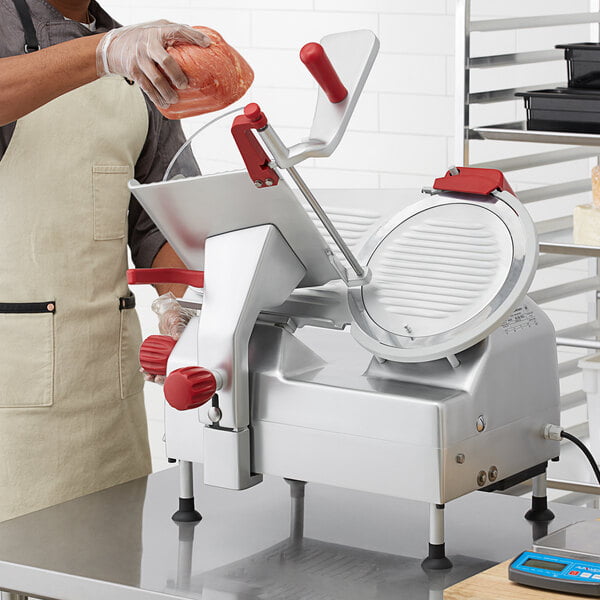
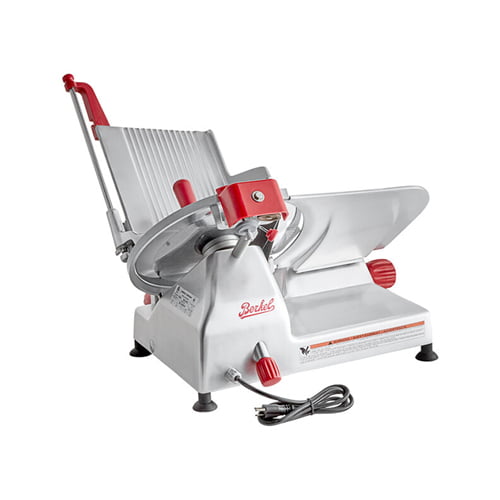
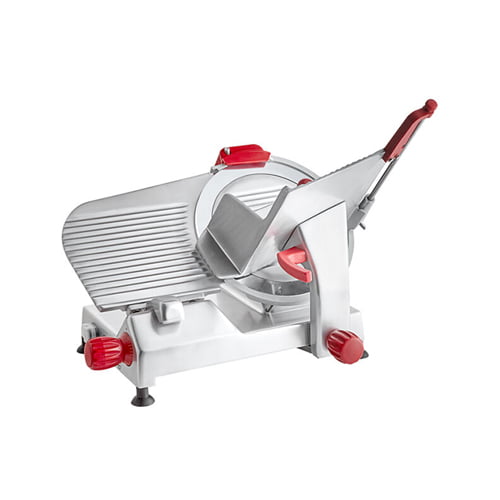
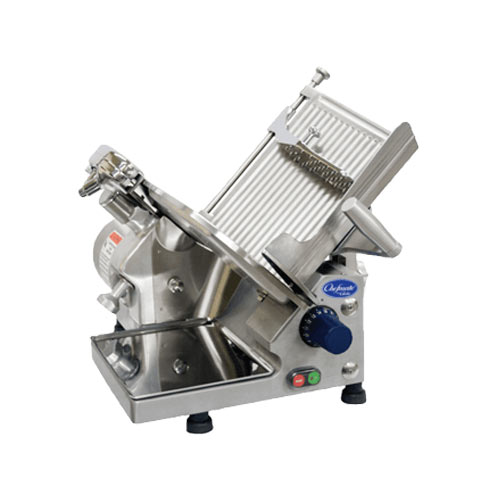
A commercial meat slicer turns deli meats, roasts, ham and cheese into even, consistent slices in seconds – controlling portions and reducing waste. Babak Food Equipment offers manual and automatic electric meat slicers for delis, butcher shops, sandwich shops, restaurants, cafés, grocery stores and hotels across Vancouver and British Columbia, from brands such as Hobart, Berkel, Globe and Eurodib, in light, medium and heavy-duty models.
Types of meat slicers
Manual slicers
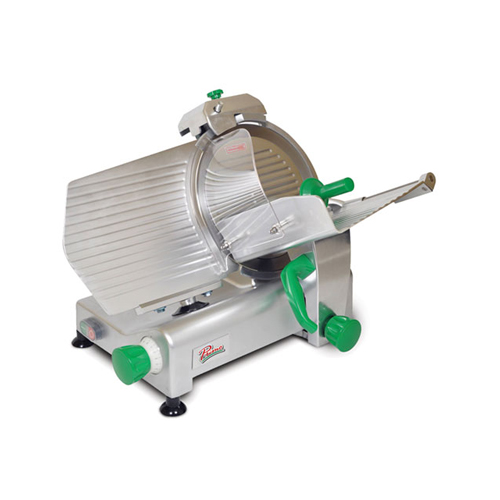
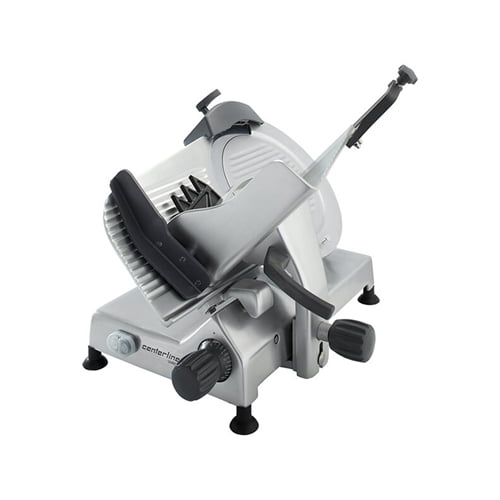
On a manual slicer the operator moves the carriage back and forth while the motor turns the blade. They are the most common choice for restaurants, cafés and sandwich shops that slice throughout the day in moderate quantities.
Automatic slicers
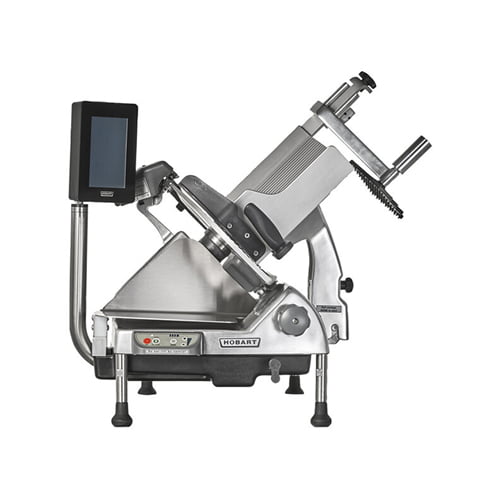
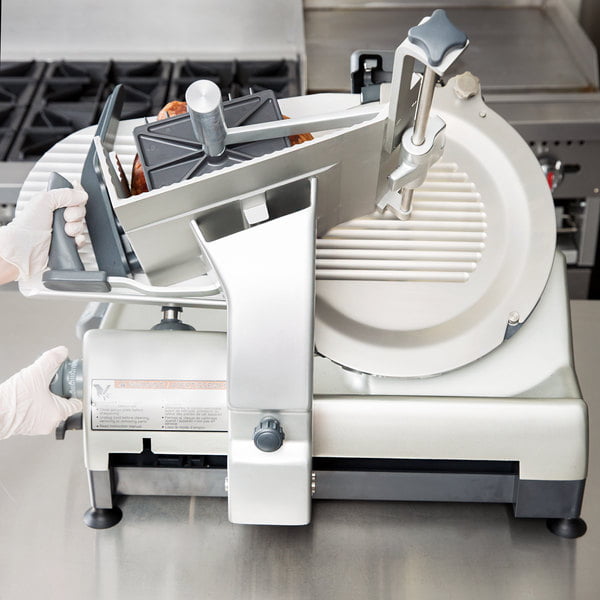
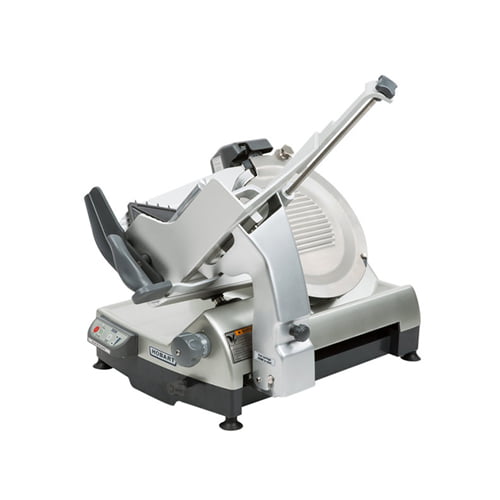
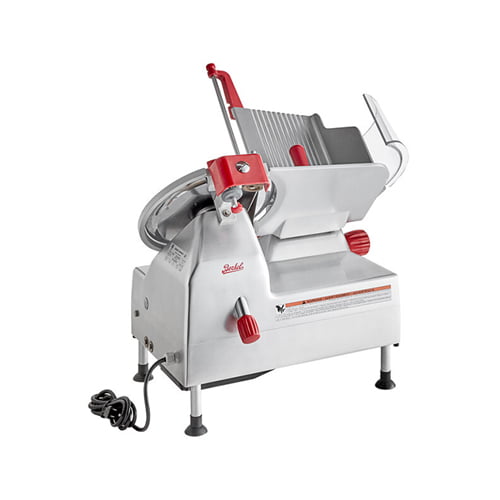
Automatic electric meat slicers move the carriage for you, so staff can slice large quantities of deli meat or cheese at a steady pace and focus on other tasks. Most can also be switched to manual mode. They suit high-volume delis, grocery stores and commissaries.
Gravity-feed and flywheel slicers
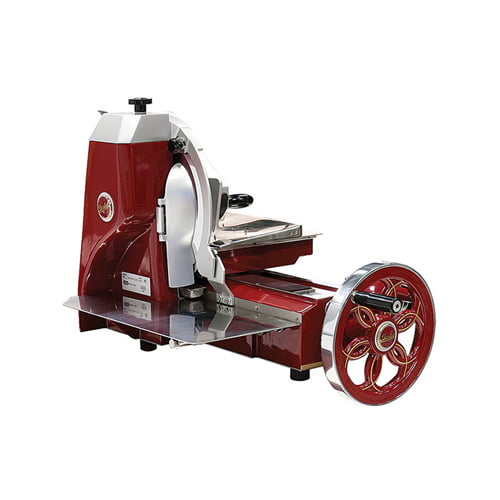
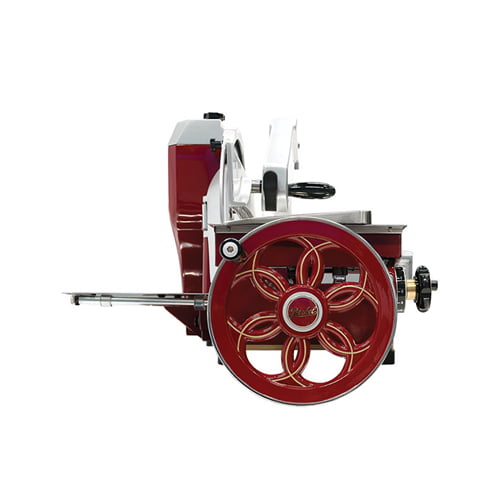
Gravity-feed slicers use an angled carriage so the product slides toward the blade, reducing operator effort. Hand-cranked flywheel slicers – the classic style Berkel is famous for – are often displayed front-of-house for prosciutto and other cured meats.
How to choose a commercial meat slicer
Duty rating: light-duty slicers are meant for about an hour of use per day, medium-duty for a few hours, and heavy-duty for continuous slicing and cheese. Match the rating to your real workload.
Blade size: blades typically range from about 9 to 14 inches (23–36 cm). A larger blade slices bigger products in one pass; 12–13 inches is common for delis.
Cheese and dense products: cheese is hard on motors and blades. If you slice a lot of cheese, choose a heavy-duty, gear-driven slicer.
Drive and motor: belt-driven slicers are common on lighter models; gear-driven slicers are built for heavier daily use.
Safety and cleaning: look for a permanent ring guard, blade cover, removable carriage and built-in sharpener. Slicers must be cleaned and sanitized regularly – easy disassembly saves time.
Space: check counter depth and clearance for the carriage stroke, and keep a dedicated, stable work surface.
Why buy your meat slicer from Babak Food Equipment?
Babak Food Equipment has been equipping delis and kitchens for more than 20 years and holds a 4.9★ Google rating from 380+ reviews. Our team can help you compare Berkel, Hobart and Globe slicers by duty rating, blade size and drive, so you pay for the slicer your volume really needs. Delivery and installation options are available across BC – details and costs are discussed when you order. Browse all slicers and graters or ask about certified used restaurant equipment.
Meat slicer types at a glance
TypeTypical use per dayBest forLight-duty manualAbout 1 hourCafés, small restaurantsMedium-duty manualAbout 2–4 hoursSandwich shops, busy restaurantsHeavy-duty manual or automaticContinuous, incl. cheeseDelis, grocery, butcher shopsFlywheel slicerFront-of-house slicingCured meats, prosciutto, display
Frequently asked questions
What are some popular brands of meat slicers?
Hobart, Berkel and Globe are among the best-known commercial meat slicer brands, along with Eurodib and others. Each offers light, medium and heavy-duty models.
What is a deli slicer called?
A deli slicer is also called a meat slicer, food slicer or slicing machine. The terms describe the same type of rotating-blade machine used for meats and cheeses.
Can a meat slicer cut frozen meat?
Most commercial slicers are designed for fresh or chilled product, not hard-frozen meat. Cutting frozen blocks is a job for a meat band saw.
Is it worth it to buy a commercial meat slicer?
For any business that slices meat or cheese daily, yes. A slicer gives consistent portions, reduces waste and labour, and lets you buy whole products instead of pre-sliced.
What size blade do I need?
A 10-inch blade is fine for light use and smaller products. Most delis and sandwich shops choose a 12- or 13-inch blade, which handles larger roasts and cheese blocks.
Availability, pricing, warranty terms, delivery and installation are confirmed at the time of purchase – request a quote on any model or call our team at (604) 566-9747.
No account yet?
Create an Account