

Blog
Bar Dishwashers: Glasswashers and Undercounter Machines Compared


A bar dishwasher is a compact commercial machine, usually an undercounter dishwasher or a glasswasher, built to clean glasses, cups, shakers and small plates quickly at the bar or in a small dish station. If you pour drinks all night, a bar dish machine keeps glassware turning over faster than hand washing, with a sanitized finish and a clean, spot-free shine.
Babak Food Equipment helps bars, pubs, cafes and restaurants choose the right machine from our Burnaby, BC showroom. This guide explains the types of bar dishwashers, high-temperature versus low-temperature (chemical) models, how to size one, and what you need to plan for water, drainage and power. To browse as you read, open our commercial dishwashers.
Types of bar dishwashers
Most bar-sized machines fall into two groups, and a few larger formats are worth knowing about if your volume grows.
Glasswashers
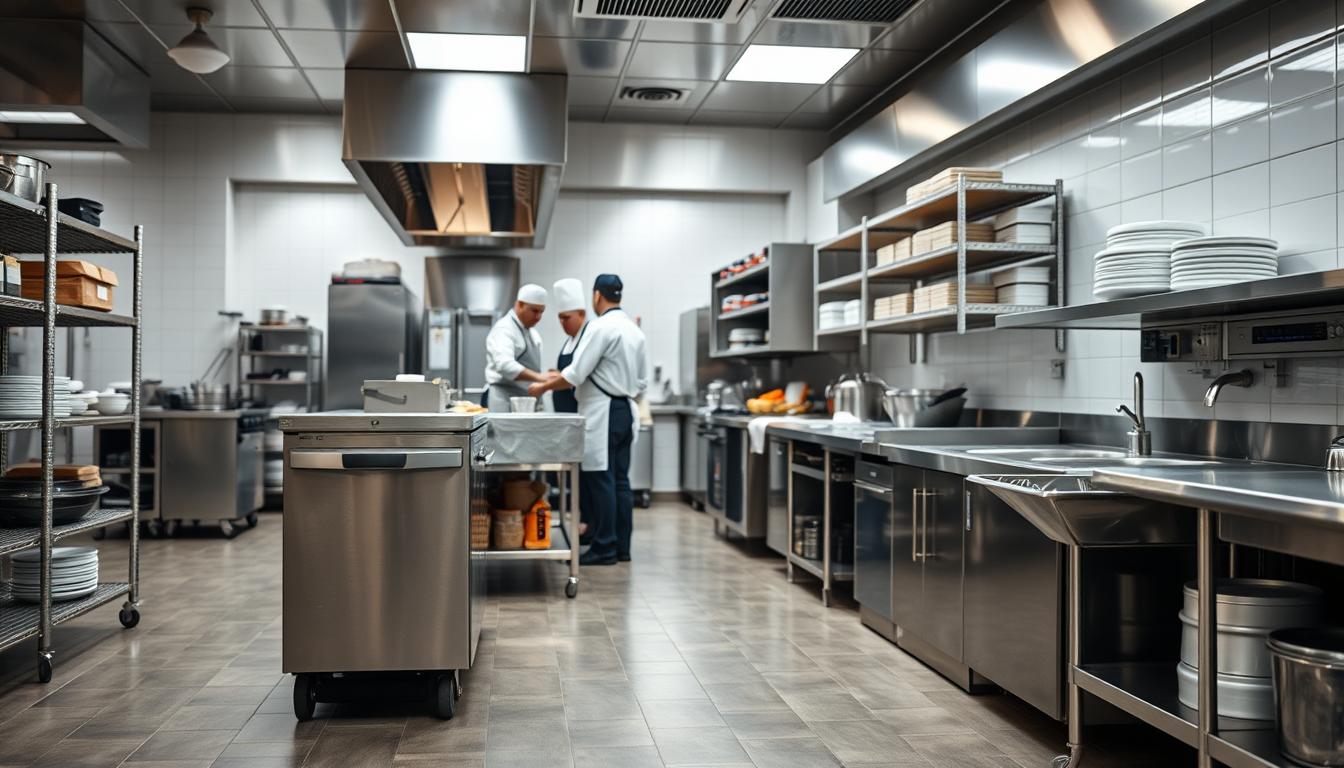
Glasswashers are designed for glassware. They use a gentle wash and a rinse that leaves glass clear, and the racks are sized for pint glasses, wine glasses and tumblers. If most of what you wash is glassware, a dedicated glasswasher is the most efficient answer to the question of which bar dishwasher to buy.
Undercounter dishwashers
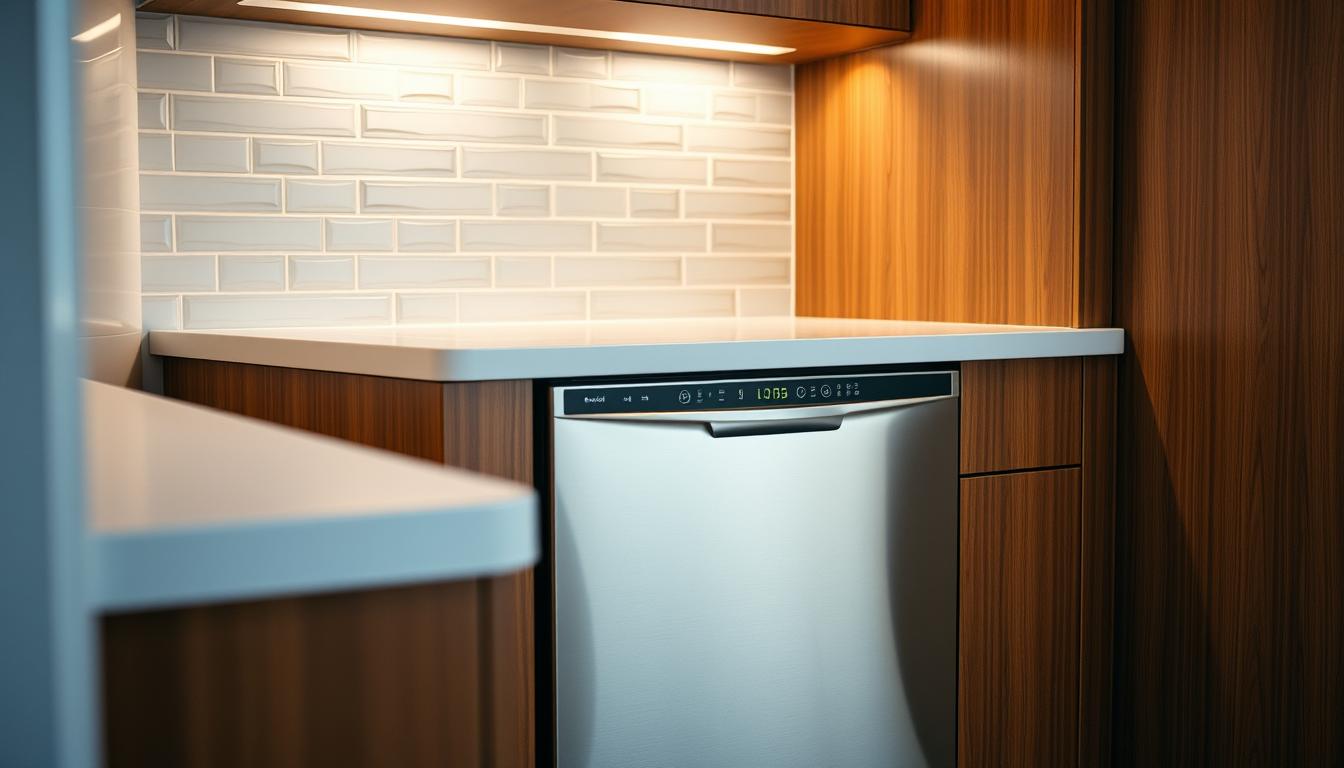
Undercounter dishwashers take a standard 20 x 20 inch rack and fit beneath a counter, so they suit bars that also wash small plates, bowls and utensils. They are the common choice for compact restaurants and cafes. We cover them in more detail in our guide to undercounter dishwasher tips.
Door type machines
When the bar and kitchen share one dish station, or when volume climbs, a door type dishwasher moves more racks per hour. For a high-volume dish room, conveyor dishwashers are the next step up.
High-temperature or low-temperature bar dishwasher?
This is the most important choice, because it determines how the machine sanitizes and what it needs from your building.
High-temperature machines
High-temperature models sanitize with very hot water in the final rinse. They usually need a booster heater to raise the incoming hot water to the required temperature, unless the machine has one built in. The glassware air-dries quickly, with no chemical residue, and there is no sanitizer to buy or monitor. The trade-off is higher electrical load and steam that has to be managed in a small bar.
Low-temperature (chemical) machines
Low-temperature models sanitize with a chemical sanitizer in the final rinse. They run on a regular hot water supply, which keeps the electrical load lower and often makes them simpler to install at a bar. The sanitizer must be topped up, and the concentration needs to be tested regularly with test strips. Over time, chemical machines also need their dispensers and lines checked.
What BC health authorities expect
BC does not have one uniform dishwasher rule for every premises, so ask your health authority which machine and settings they accept. Interior Health guidance, for example, describes a high-temperature machine reaching at least 71 C (160 F) at the plate surface in the final rinse, and a low-temperature chemical machine running at a minimum of 38 C (100 F) with 50 ppm chlorine. Vancouver Coastal Health and Fraser Health may have their own wording, so confirm with your environmental health officer, and use the manufacturer’s data plate for the exact machine. A plan review by your health authority happens before construction on new or renovated premises, so bring your dish setup into that conversation early.
How to size a bar dish machine
The key figure is racks per hour, matched to your peak hour rather than your average hour. Think through these steps.
- Peak glassware load: estimate how many glasses return to the bar on your busiest hour, then divide by the number that fit in one rack.
- Cycle time: shorter cycles mean more racks per hour, but very short cycles on a heavily soiled load may need a second pass.
- Rack size and height: check that tall pint glasses and stemware clear the door opening, and ask about taller-door models if you use large glasses.
- Space around the machine: allow room to load, unload and stack clean racks. Many bar teams add a drainboard or table next to the machine for exactly this reason.
If your peak is close to the machine’s limit, move up one size. A machine that runs flat out all night wears faster and bottlenecks the bar.
Water, drain and power: what to plan before delivery
A bar dishwasher is a plumbing and electrical appliance, and most installation problems come from missed details in these areas.
- Hot and cold water: confirm supply lines, pressure and temperature, and whether the model needs a booster heater. Our booster heaters are matched to high-temperature machines.
- Drain: plan the drain connection per the BC Plumbing Code and with your plumber. Machines usually need a floor drain or standpipe nearby.
- Power: check voltage, phase and amperage on the data plate. Electrical equipment in BC must bear an accepted certification mark, and a licensed electrician should confirm your circuit.
- Ventilation: hot, wet air from a high-temperature machine can fog glassware and overload a small bar’s air. Ask whether a vent hood or condensate hood is needed.
- Water quality: hard water leaves scale on heating elements and spots on glass. A water softener or filter protects the machine and the finish.
Keeping the machine and glassware in good shape
A few habits keep a bar dishwasher performing and protect your glassware.
- Scrape or rinse off garnish, straws and ice before loading, and keep food scraps out of a glass machine.
- Empty and clean the filters and scrap trays every day.
- Check wash and rinse arms for clogged jets, and descale as the manufacturer recommends.
- Use the detergent and rinse aid made for your machine and your water, and test the sanitizer if your model is chemical.
- Let glassware air-dry on the rack. Wiping with a cloth can recontaminate it.
For the wider picture of dish room choices, read our guide to commercial dishwashers.
Building the rest of the bar station
A dishwasher is only one part of a good bar. Pair it with a bar sink for hand washing and prep, glass chillers and back bar refrigerators for serving, and the right ice machine. Our bar and beverage equipment guide shows how these pieces work together.
Bar dishwasher comparison
| Type | Best for | Main strength | Plan for |
|---|---|---|---|
| Glasswasher | Bars, pubs, wine bars | Gentle on glass, clear finish | Taller glass clearance |
| Undercounter, high-temperature | Cafes, small restaurants | Fast drying, no chemical | Booster heater, venting |
| Undercounter, low-temperature | Bars with simple plumbing | Lower electrical load | Sanitizer testing |
| Door type | Shared bar and kitchen dish area | More racks per hour | Space and drain layout |
Frequently Asked Questions
What is the difference between a bar dishwasher and a glasswasher?
A glasswasher is a bar dishwasher built specifically for glassware, with racks and cycles sized for it. Other bar dishwashers, such as undercounter models, also handle plates, bowls and utensils.
Do I need a booster heater for a bar dishwasher?
High-temperature machines need the final rinse to reach a set temperature, so they usually need a booster heater unless the machine has one built in. Check the data plate for the exact model.
How many racks per hour does a bar need?
Size it to your busiest hour, not your average. Estimate returning glassware per hour and divide by the number of glasses a rack holds, then step up a size if you are close to the limit.
Is a high-temperature or a chemical bar dishwasher better?
Neither is better in every bar. High-temperature machines avoid chemicals and dry quickly but need more power, while chemical models run on regular hot water but need sanitizer testing. Ask your health authority which they accept.
Can a bar dishwasher fit under a standard bar counter?
Many undercounter models are built for standard counters, but check the machine’s height with the door closed and the drain and power access before you buy.
Can I see bar dishwashers before I buy?
Yes. Visit the Burnaby showroom at 7190 Randolph Ave or call (604) 566-9747, and our team will help you choose.
Ready to choose a machine? Browse our glasswashers and commercial dishwashers, visit the Burnaby showroom at 7190 Randolph Ave, or request a quote and our team will recommend a bar dishwasher for your space. Pricing, availability, delivery and installation are confirmed at the time of purchase.